
Your new carbon bike arrived: an unboxing and workshop checklist
Before assembly, document the unopened box, compare the parts with the final order and set aside suspected damage for qualified assessment. This checklist gives you a specific issue list and a clear workshop handover.
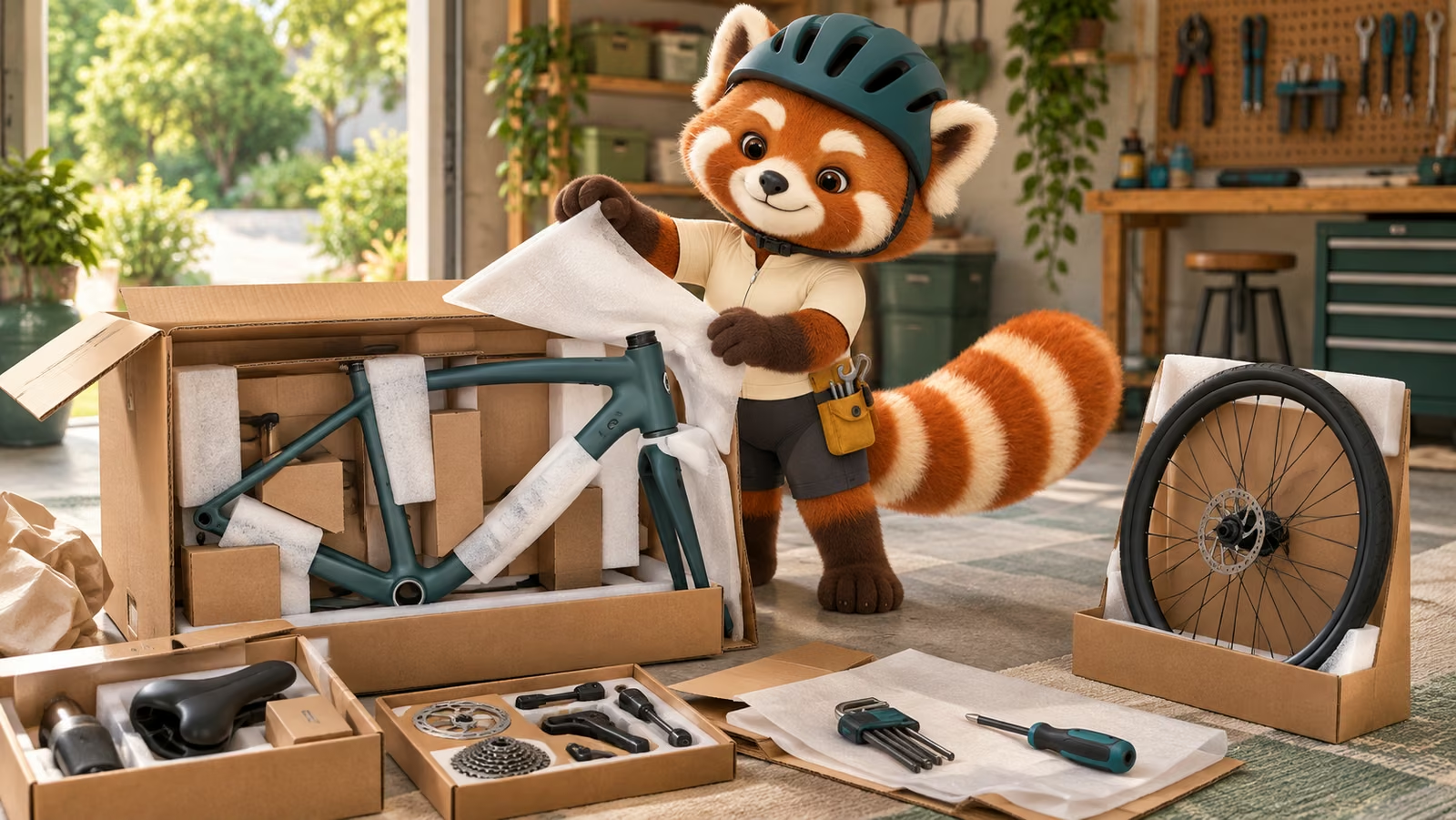
Record the box before changing the scene
Before opening, photograph all sides of the carton, shipping label and any crushed or wet areas. Keep the order number and your address private when sharing pictures. Open carefully and save the packaging and small bags until the contents match the invoice.
If the carton looks damaged, ask the carrier how it records arrival damage and notify the seller promptly with the order reference. A video may help, but follow the actual claim procedure rather than assuming a recording guarantees a refund. The transit-damage guide explains the packing views to preserve; your own carrier determines the claim procedure.
- Photograph the closed box and visible damage before moving protective packing.
- Put each small bag on a clean surface; photograph parts together and separately.
- Keep the carton, foam and labels until any mismatch or damage claim is resolved.

Compare the contents with the agreed order
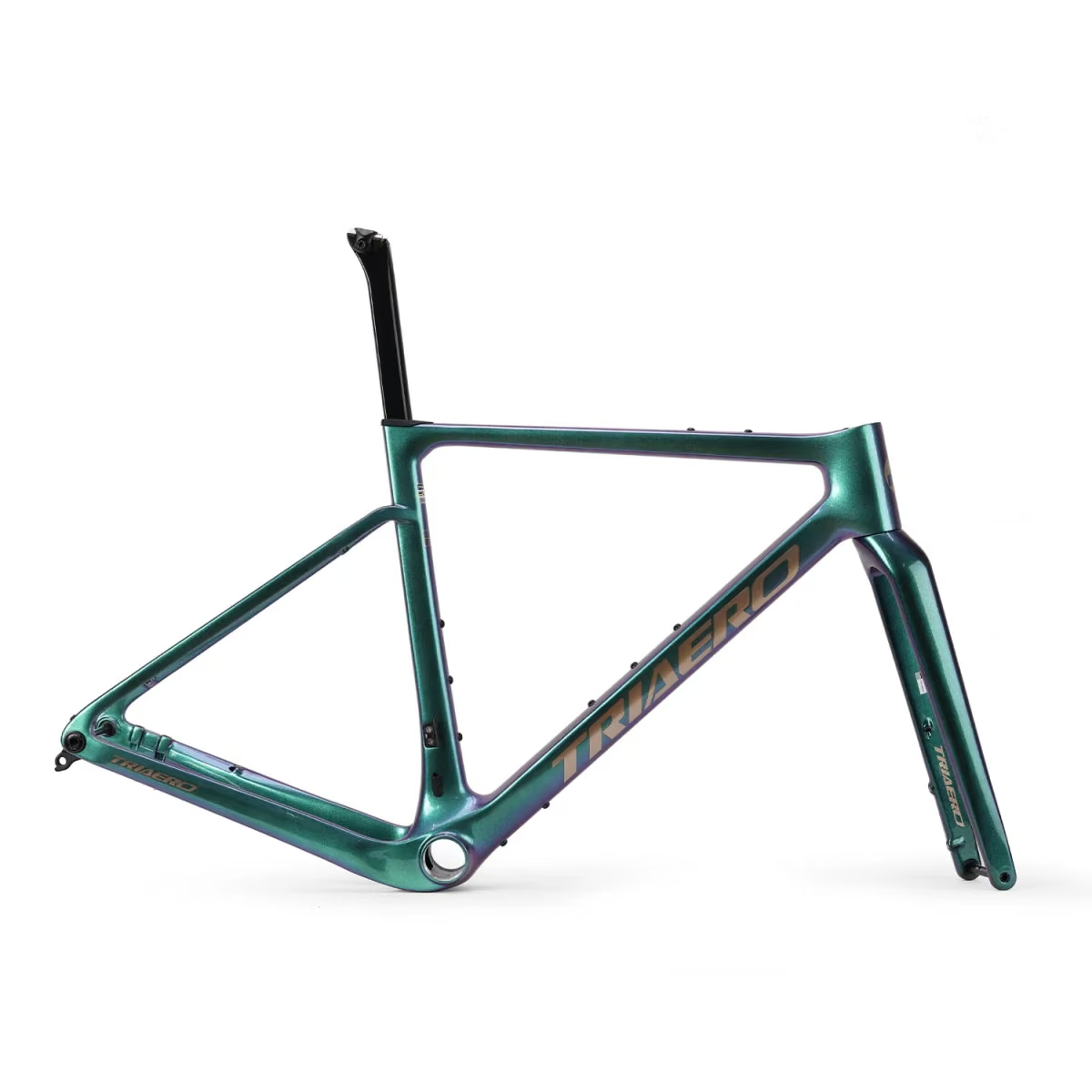
Compare the delivered frame generation, size, finish and cockpit dimensions with the final agreed order. Then use the parts list below, marking promised, received and missing. A frame name by itself will not catch a different bar width or absent top cover.
Make a short issue list, one photo and one sentence for each mismatch. Tell the seller before assembly or modification so the disagreement stays easy to document.
Suppose the final order explicitly promises front and rear axles, but only one is present after you have checked every bag. Record which axle is missing, with the order line and the received part together. Ask for that exact item before assembly; an axle from another frame is not a confirmed substitute. By contrast, a vague “headset included” entry needs an itemized clarification before you call a particular cover missing.
Package options matter: the GRARO listing links some spacers and top-cap parts to the chosen cockpit purchase. Use the agreed order for your delivery rather than a complete-bike photograph.
- Frame, fork, size label and finish match the invoice.
- Seatpost, saddle clamp or wedge, and cockpit match the selected options.
- Front and rear axles, derailleur hanger and its fasteners are present.
- Headset bearings, compression ring, top cover, spacers and routing pieces match the agreed list.
- Mounts, plugs, storage fittings and manuals are present where the order promised them.
A visual check is a screening step
Sort what you find before acting. A wrong or missing part usually calls for an order correction. Visible damage needs prompt documentation. A suspected structural problem needs the bike kept out of use until the seller and a qualified mechanic have assessed it.
Do not drill, sand, file, tap-test or load a suspect carbon area yourself. An undamaged-looking surface does not establish structural safety. Use the exact manufacturer’s instructions and ask the workshop to inspect the actual frame before irreversible assembly. Trek’s carbon-care explanation describes hidden impact damage. Follow your own frame maker’s instructions for the specific case and keep doubtful parts out of use.
| Finding | Record | Next step |
|---|---|---|
| Wrong size or component | Invoice and part labels | Ask seller to correct before use |
| Promised part missing | Packing list and all small bags | Ask seller for the missing item |
| Cosmetic or arrival damage | Clear close-up and carton photo | Contact seller and carrier as applicable |
| Suspected structural damage | Photos; no testing or alteration | Stop assembly and seek qualified assessment |
Give the workshop the whole story
Bring the confirmed parts list, manuals, fit brief and any unresolved seller correspondence. Ask the mechanic to check the actual frame and components before cutting, routing or other irreversible assembly work.
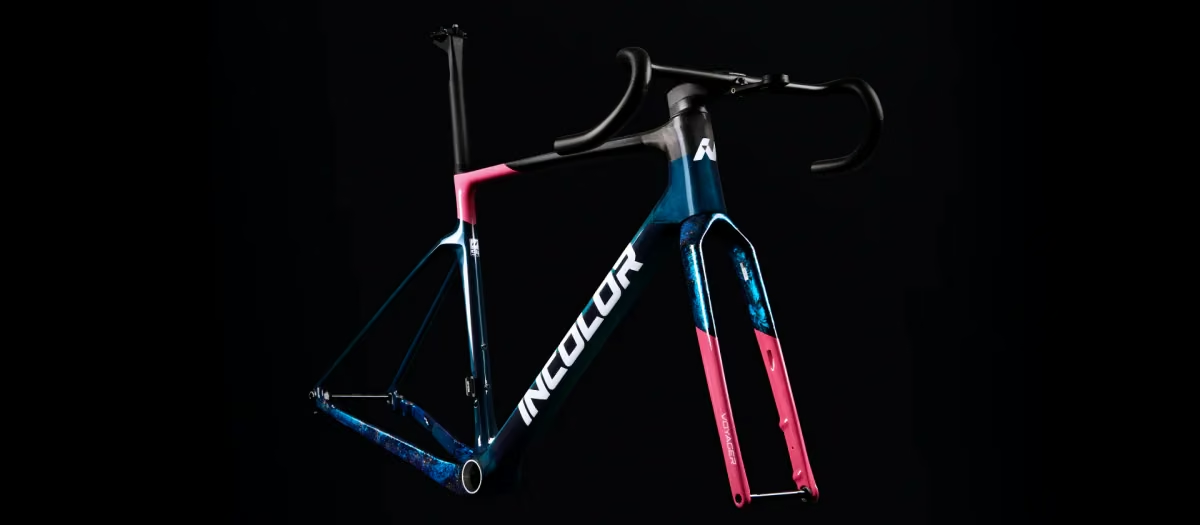
Agree which remaining parts and consumables are needed and update the budget. The build planner can organize known components, but it cannot inspect the delivered parts or certify compatibility. The Voyager photo shows a frameset example: keep its purchase price separate from the remaining parts and workshop budget.
After assembly, have the workshop explain the checks and any bedding-in or follow-up instructions specified for your components. Keep the invoice, serial record and final configuration. The goal of unboxing is not to reach a photograph as quickly as possible; it is to start ownership with a bike that has been properly checked.
Sources
Source review began . Research methodology.