
Bike damaged in transit? Keep the box and build a clear claim
The box has a crushed corner. The frame inside looks scratched. Your first job is to preserve what arrived, not to decide from one photograph whether the bike is safe. A clear record gives the seller, carrier and inspecting mechanic something useful to work with.
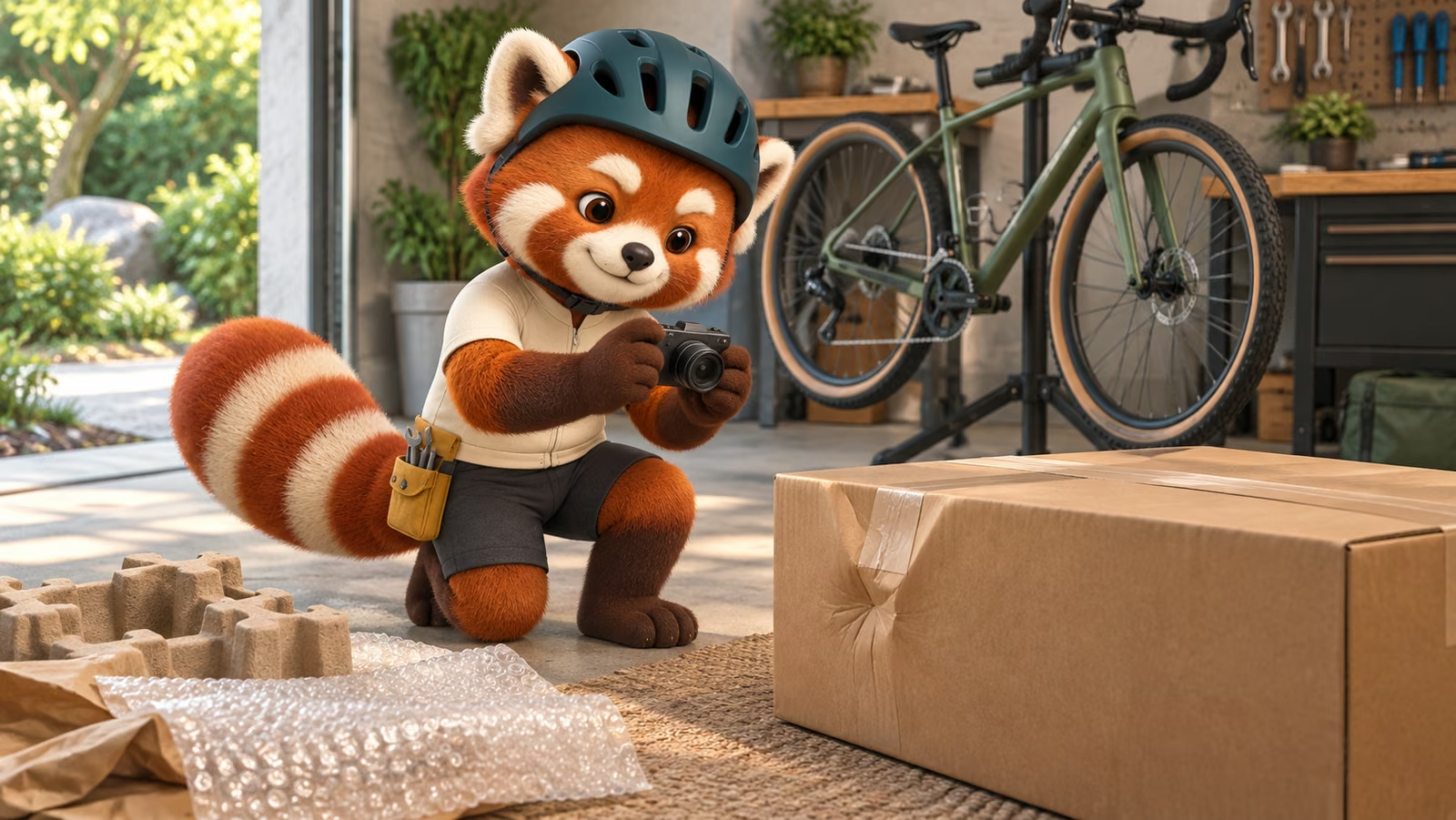
Record the outside and the inside
Photograph the unopened package, shipping label, damaged area and each layer as you unpack. Then take an overall bike/frame photo and close-ups that show both the defect and its location. Keep the box, padding and affected parts. UPS’s US claim-document guidance, for example, asks for damage photographs and may require inspection; other carriers have their own requirements.
A close-up of a scratch records the mark but loses its position in the parcel. An overview of the item inside its packing connects the mark to that context; the outside view and label identify the parcel. UPS’s US guidance requests these different views and the box dimensions. Preserve the sequence before moving or discarding packing. Together the photos make the report easier to assess; they do not by themselves prove what caused the damage.
Give the seller a short, complete first message
For a GRARO delivery, identify the exact order and damaged component privately. A useful message is: “Delivered on [date]; damage found during unpacking at [location]. Attached are package, packing and part photos. The item has not been assembled or used. Please confirm the claim route, required inspection and whether anything must be retained or returned.” Change that sentence to reflect what actually happened.
Contact the seller promptly and check the actual carrier’s deadline and who must submit the claim. There is no universal “48-hour rule” for every shipment. Keep case references and instructions together, and redact labels and order details before sharing pictures publicly.
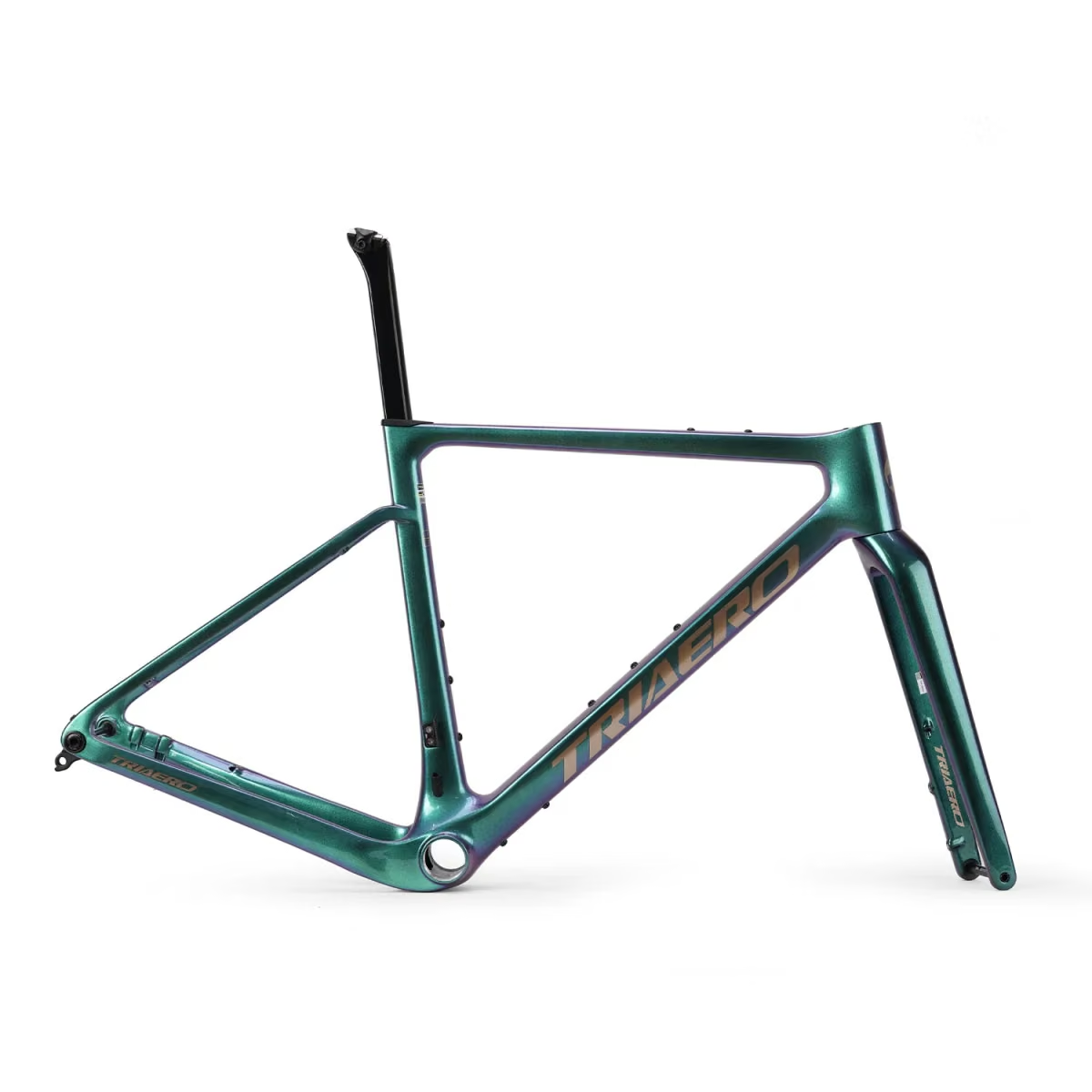

A claim decision is not a safety inspection
Do not ride a frame or fork with suspected structural damage while waiting for an answer. Carbon damage can be hidden; Trek’s carbon-care guidance explains why qualified assessment matters. Obtain instructions before sanding, repainting, discarding packaging or authorising a repair that could alter the evidence. Agree on any inspection, labour and shipping costs in writing.
Use the seller-route comparison to identify the invoice seller and after-sales contact. If an inspection or repair is proposed, the warranty-evidence guide helps separate the requested diagnostic step from approval of the work and its costs.
Sources
Source review began . Research methodology.