Bike weight claims: put both builds on the same scale
An 8.2 kg bike can be heavier than an 8.4 kg bike once both are ready to ride. The difference can be what was removed before weighing. Make the setups comparable before paying for the smaller number.
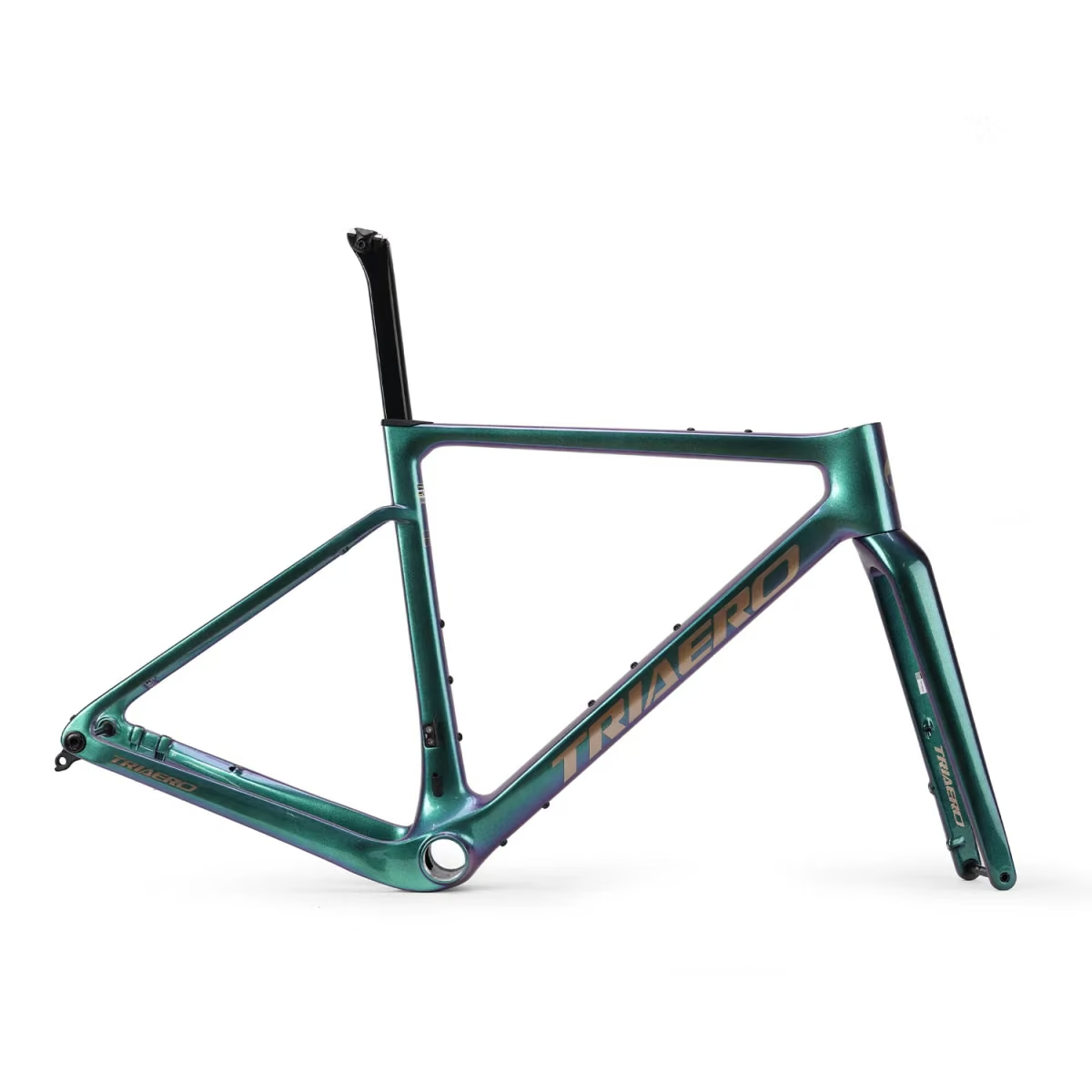
For a GRARO or LCR018-D, record the stated size, finish and whether the quoted figure includes fork, headset, seatpost, cockpit, axles and small hardware. A bare frame, the frameset’s parts and a packed shipping carton are three different weighing bases. Keep packaging mass separate from the parts themselves. A catalogue claim also differs from a documented measurement of the item delivered.
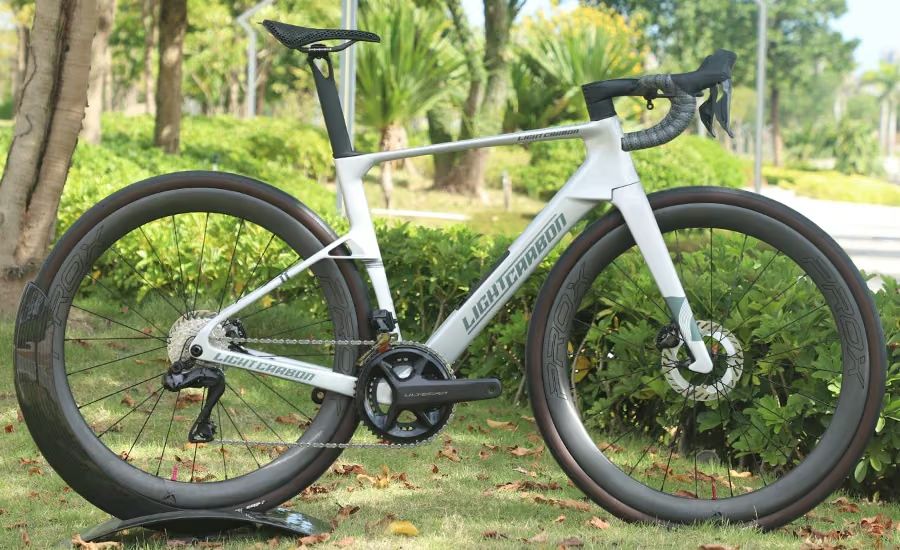
LightCarbon LCR018-D · Model detailsManufacturer’s example build on the LCR018-D frameset; pictured parts are not a confirmed sale package.LightCarbon; see sourcePhoto unavailable; open the source to view it.
This is arithmetic, not a claim about either model: an 8.2 kg build without pedals becomes 8.5 kg when 0.3 kg pedals are fitted. An 8.4 kg build already including pedals stays at 8.4 kg. Add bottle cages, tools, lights and luggage only when those items belong in the comparison; do not count a component again if it was already fitted. Once both include pedals, the first build is 0.1 kg heavier; its apparent 0.2 kg advantage has reversed.
Make your own repeatable record
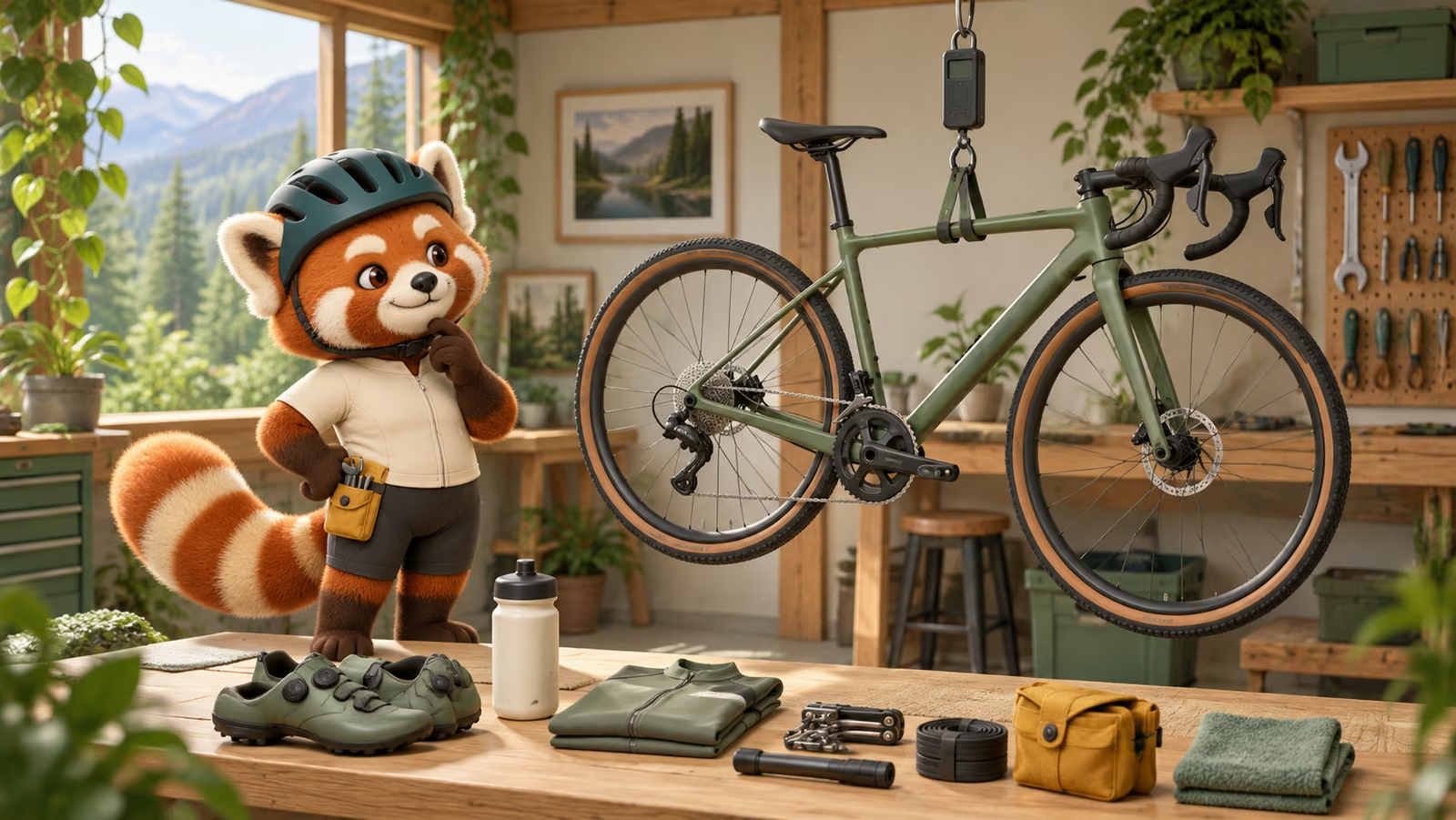
Use the same scale and weighing method, record the date and configuration, and state whether bottles are empty, tyres contain sealant and riding kit is attached. Photograph the complete setup and reading privately. A hanging scale can help compare your own builds, but do not present its displayed decimals as laboratory accuracy.
Then ask what the weight saving buys you. Tyre choice, gearing and a position you can hold may change the ride more than a small difference between mismatched catalogue builds. For the climbing arithmetic, see wheel weight versus depth.