Why wheelbase does not tell the whole handling story
A long wheelbase looks reassuring on a spreadsheet. A short one looks quick. Neither adjective tells you how the bike will feel in a tight bend, loaded descent or crosswind. Wheelbase is useful, but it describes only the distance between two axles. The rest of the bike is still invited to the ride.
These invented dimensions split the wheelbase at the bottom bracket using horizontal distances. Both total 1,000 mm, but the bottom bracket sits differently between the axles. This is a way to see what the single total leaves out, not a prediction that one imaginary bike handles better. Actual chainstay and front-centre chart dimensions may use other measuring conventions.
Invented horizontal dimensions, not product geometry
Example
BB to front axle
BB to rear axle
Wheelbase
A
600 mm
400 mm
1,000 mm
B
580 mm
420 mm
1,000 mm
Look at the front wheel’s geometry too
Head angle, fork offset and trail add information about the front end. Canyon’s geometry explanation describes these separately. Read them in the correct size and with the intended wheel/tire basis. Avoid moving from a tendency in a general guide to a confident handling verdict on an untested frame.
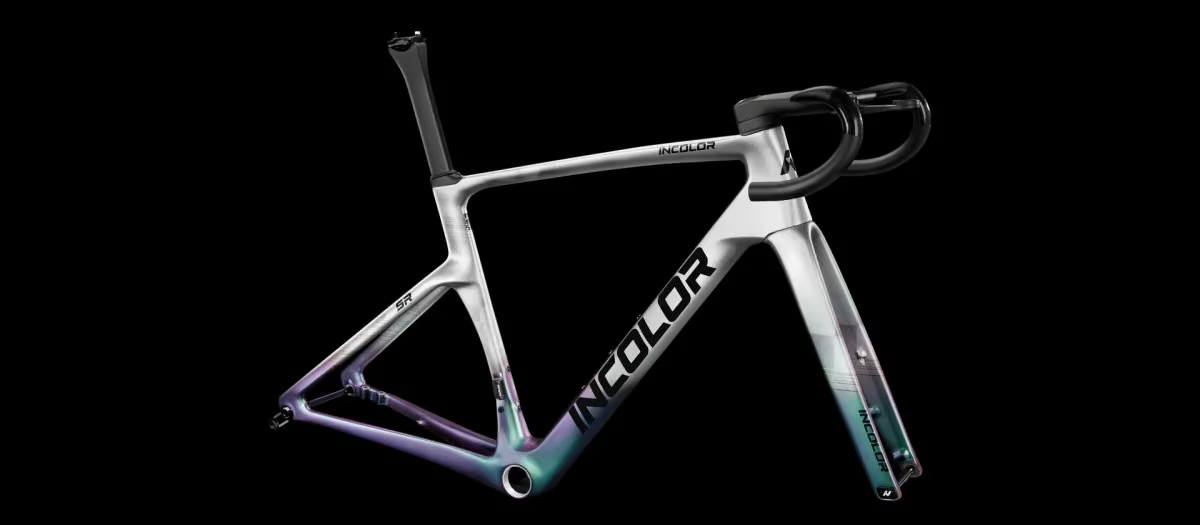
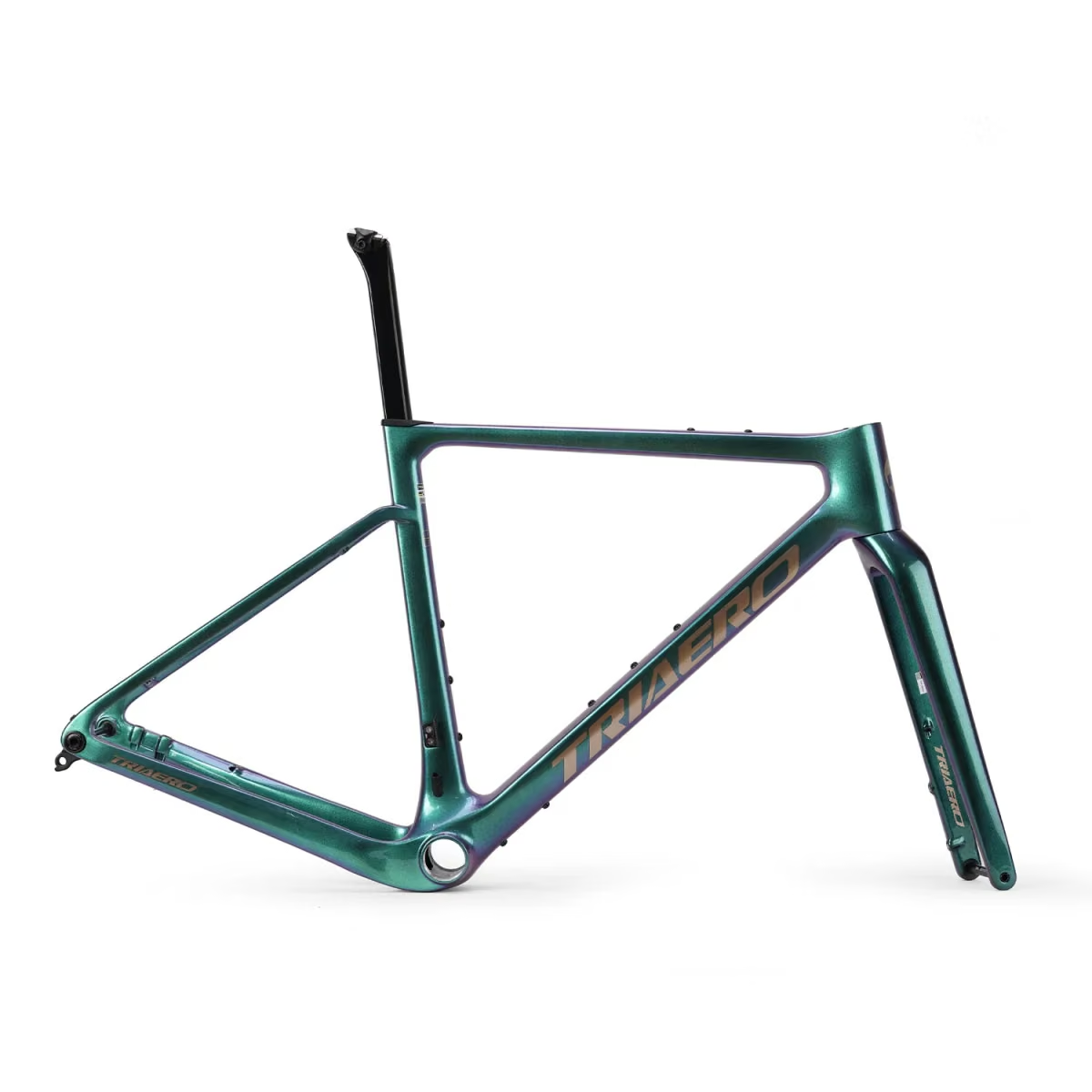
The ICAN GRARO and INCOLOR Speedster SR belong to different build decisions. Matching a wheelbase number would not erase their differences in permitted tires, intended equipment or rider position.
For a loaded trip, specify where the luggage goes. For a winter road bike, include tires and guards. Seek ride reports for the exact size and setup, noting the rider’s comparison bike and conditions. An owner calling a bike “stable” after an unloaded road ride has not tested your luggage plan.
Use the chart to ask better questions and remove unsuitable options. Let a test ride, fit assessment and credible setup-specific evidence refine the shortlist. The wheelbase is a clue, not a miniature road test.