
Road or gravel for your first carbon bike? Choose by your rides
Start with road bikes if your main rides are paved; start with gravel bikes if rough paths are a regular destination. Then test that shortlist against the hardest section you actually want to ride, your luggage and your riding position. A short rough section can rule out a build, while a gravel label alone cannot confirm that another one is suitable.

Draw the route before choosing the bike
Write down distance, surface and company for three regular rides. “Forty kilometres, paved, with a brisk club group” points toward a different build from “twenty kilometres, broken lanes and a forest shortcut.” Add the ride you keep postponing because your current bike is unsuitable. That is a more useful wish list than a collection of brand names.
In an illustrative week with three paved rides and one short section of firm gravel, a road build approved for those surfaces, with suitable tires, may cover the job. If rough paths are a regular destination, choose the tire and gearing they need first. Percentages alone miss the point: a short, badly rutted section can determine the equipment for the whole ride.
- Paved group rides are the priority: compare complete road builds first, checking fit, gearing and approval for any unpaved sections you plan to use.
- The rough route is the reason for buying: choose a build approved for that use, with the tire space, gearing and carrying arrangement the route needs.
- Both uses matter every week: identify what each setup would need you to change, and how often. Include the cost and effort of those changes in the choice.
Two frames, two different questions
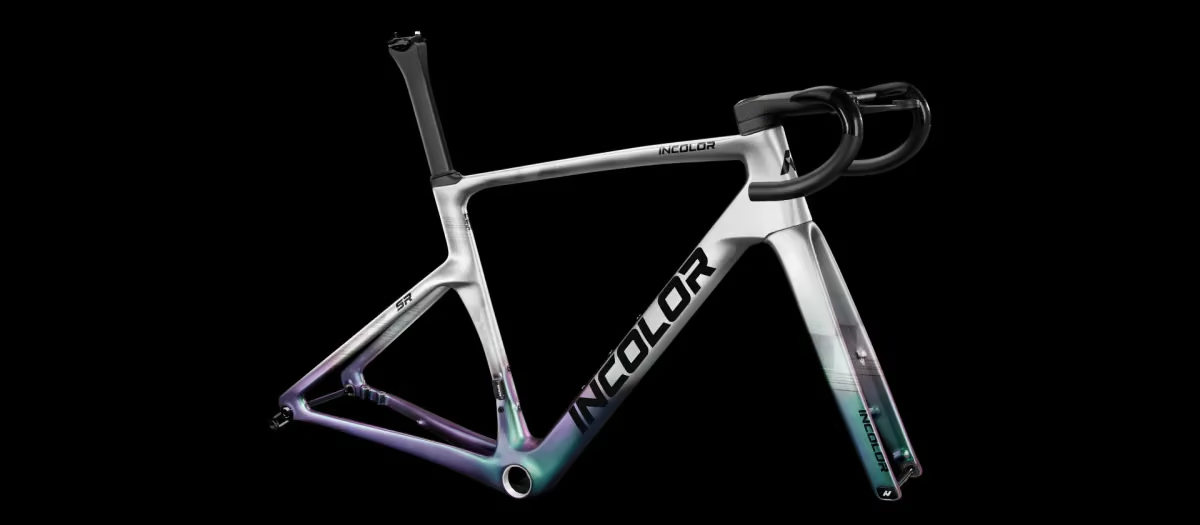
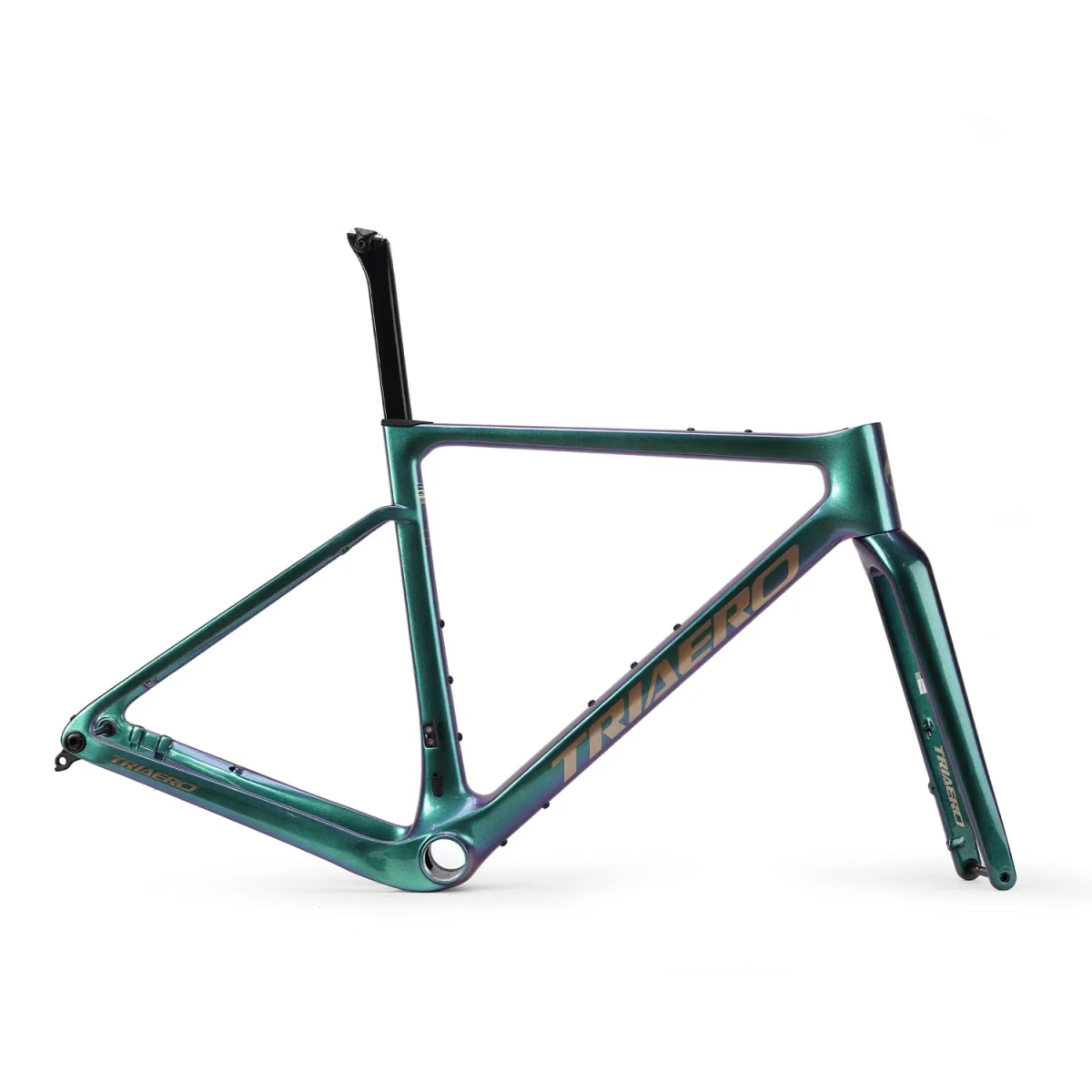
The INCOLOR Speedster SR is a useful road-side example. Its catalog record distinguishes tire limits by drivetrain; the largest headline number is not permission for every build. The ICAN GRARO is a gravel example. Neither name tells you whether your preferred handlebars, lowest gear and luggage arrangement will work. Read the exact configuration.
A gravel frame with road tires can be enjoyable on tarmac. It still keeps its geometry, cockpit and gearing. Likewise, a road frame with a wider tire does not acquire approved rack mounts or unlimited rough-ground use. Avoid buying one category on the promise that a tire swap turns it into every other category.

Give each candidate one test
Build a shortlist of two complete configurations, including tires and the actual cassette. For each, explain how it handles your hardest regular surface, your longest ride and your normal riding group. If the answer depends on an unconfirmed tire clearance or a cockpit you hope will fit, resolve that uncertainty before paying.
If both configurations pass those checks, compare the cost of the setup you will use most weeks. Count any recurring tire or wheel changes rather than assuming they are effortless; our two-wheelset guide explains what the second setup needs. Choose the compromise you will actually live with. Neither category name establishes a speed advantage for your particular builds.
Sources
Source review began . Research methodology.