
A wheel’s weight limit includes more than you
The rider is under 100 kg. The loaded bicycle system may not be. Before ordering wheels, find out what the manufacturer’s limit counts and calculate the same total. The number is an operating limit, not a challenge to get as close as possible.

Count the ride-ready load
Use rider in riding kit, ready-to-ride bike and all carried equipment as required by the maker’s definition. An illustrative 82 kg rider, 9 kg bicycle and 10 kg luggage/water total 101 kg. If the exact wheel has a 100 kg system limit, being an 82 kg rider does not make this setup acceptable. Do not subtract optimistic amounts from the luggage line to make the answer fit.
If the seller instead quotes a 100 kg rider limit, the 101 kg system total does not answer whether the wheels comply: it is a different measure. Ask for the exact wheel’s system limit and intended-use approval as well. For the weighing record, count each part of the loaded system once.
Pair the limit with the intended use
DT Swiss provides ASTM and system-weight manuals. They illustrate why a load limit and an intended-use category are separate conditions. A road wheel’s adequate weight allowance does not authorize rough trails, drops or a different brake type. Check the exact wheel code and generation, not another product with a similar name.
The whole build needs to comply
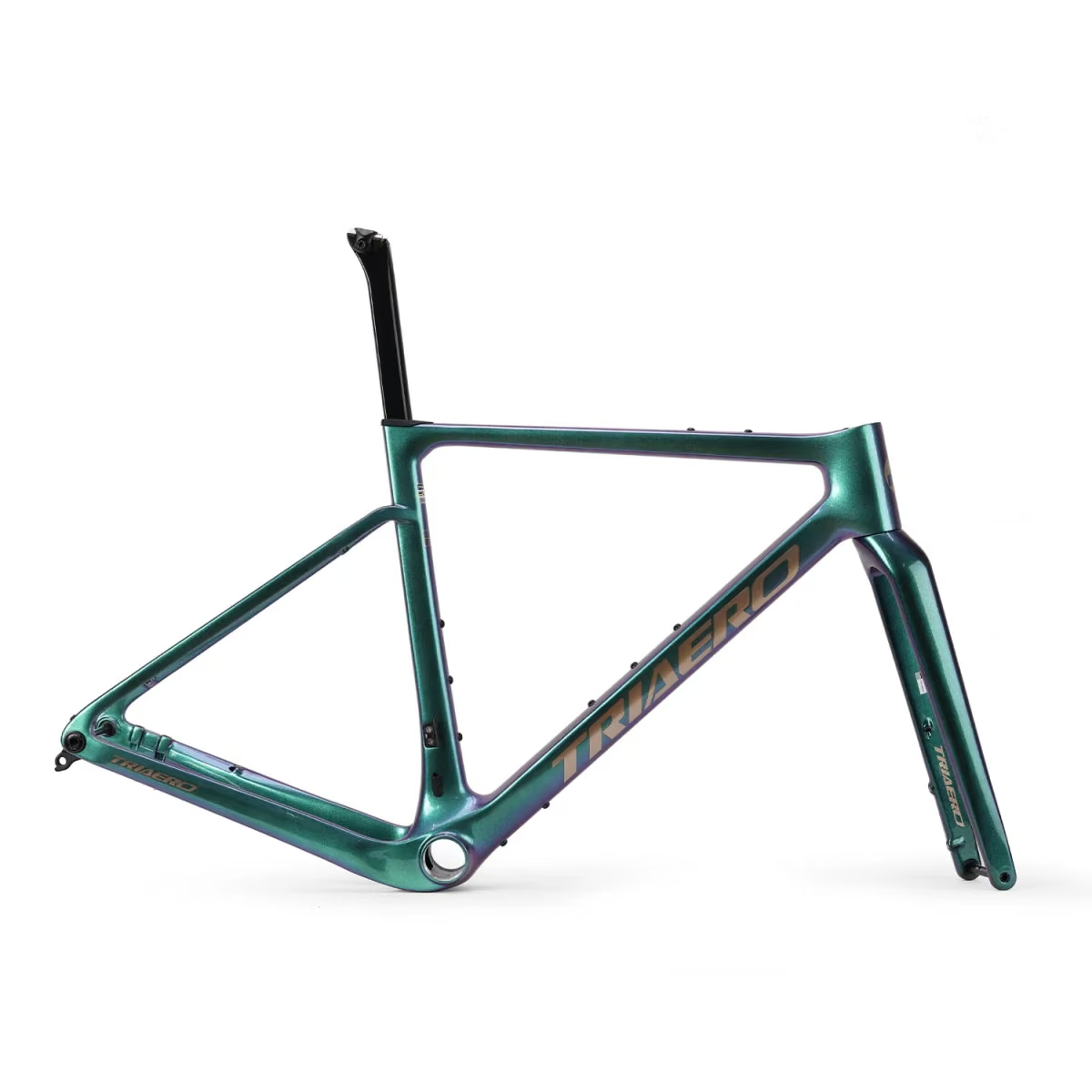
On a GRARO bike, wheel approval is only one part of checking the frame, fork, cockpit, tyres and luggage arrangement. Do not transfer one component’s limit to the rest of the build. Ask the assembler to identify every relevant limit and any unknown before ordering.
Keep a normal-trip total and a fully loaded trip total. Choose a supported setup for the heavier ride if the same wheels must serve both. Removing luggage later is possible; discovering a limit halfway into a tour is a much less convenient planning method. Check wheel weight and depth only after those limits are clear.

Sources
Source review began . Research methodology.