
Standover and frame bags: check the space you will actually use
A geometry chart’s standover value and a bag’s capacity describe different things. Neither tells you whether your packed bike is convenient to stop, access and ride. Put the actual frame outline and luggage together before choosing by either number.

Keep the standover measurement basis
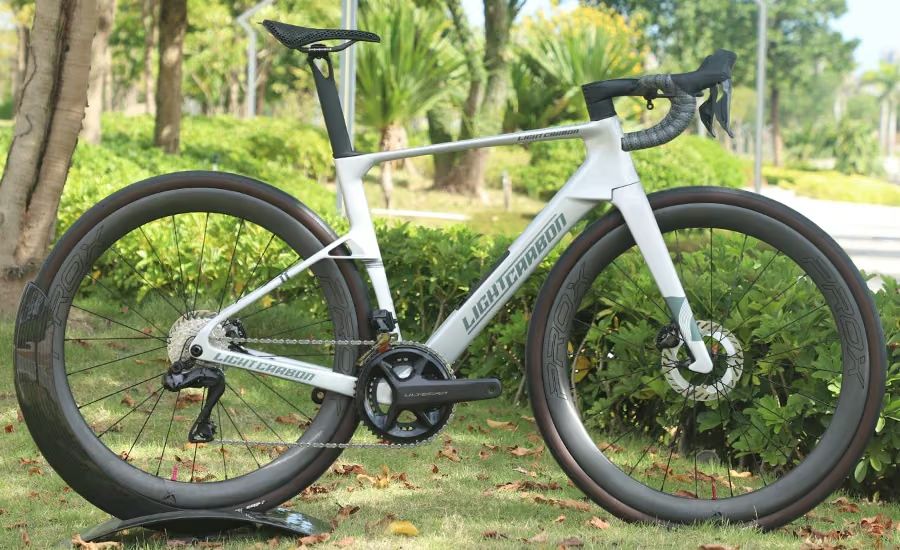
Check where along the top tube the manufacturer measures and which wheel/tire basis is used. Changing that basis can affect the comparison. The LightCarbon LCR018-D record preserves differing chart references; do not use a qualified value as a precise personal fit result. Standover also does not settle saddle or cockpit position.
Make a bag-size mock-up
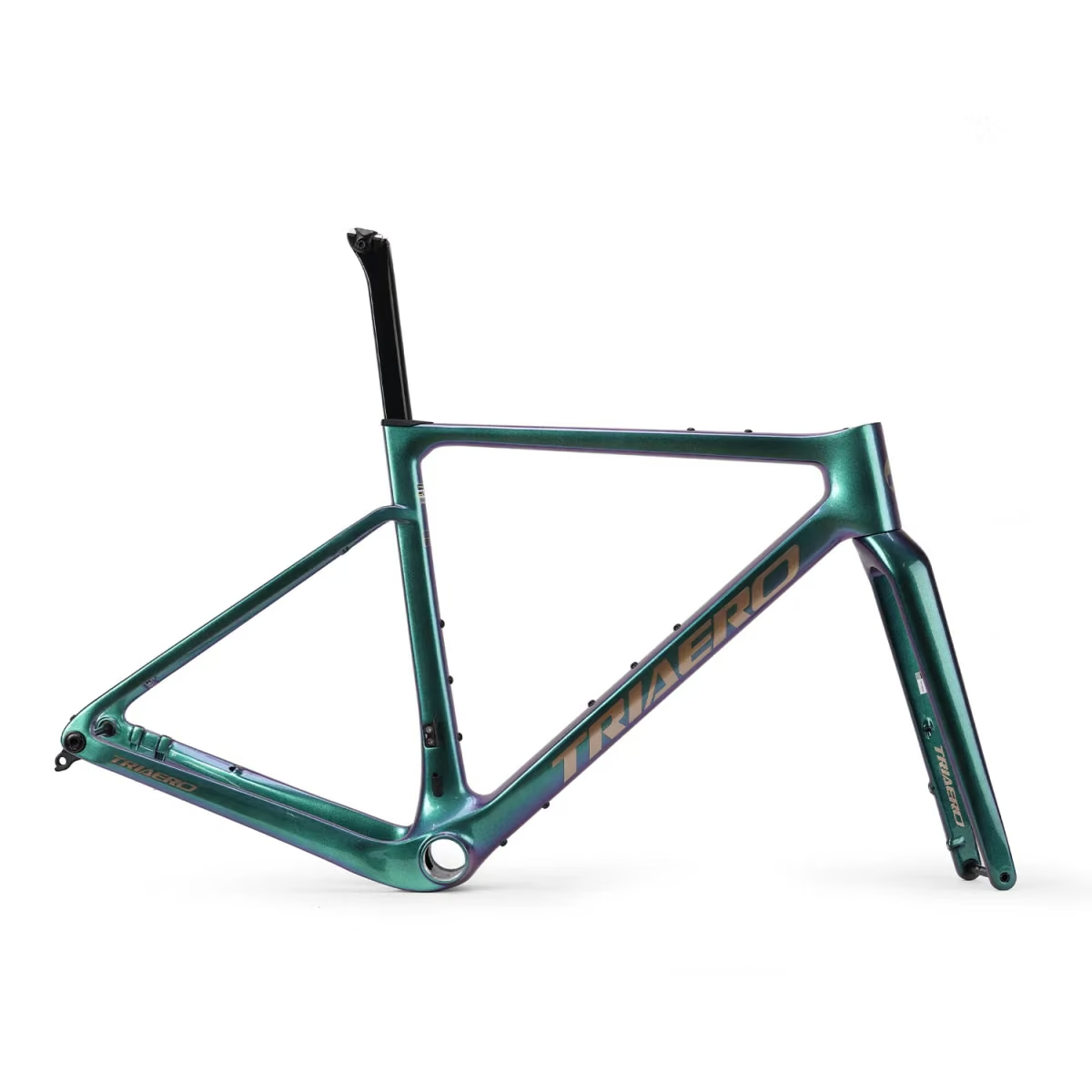
Use the exact frame size’s internal triangle measurements and the bag maker’s outline. A paper template is a useful first check for fit and bottle access. Include strap or bolt positions and the approved attachment method. A product photo of a larger size may overstate the space available on your frame.
For an ICAN GRARO packing plan, check the actual frame, bag and mount combination. The catalog photo illustrates the frame; it does not verify your bag’s clearance or load rating.

Check the packed bike, not the empty outline
For example, a bag outline may fit inside the triangle while blocking the bottle’s removal path or its own zipper. The outline check then passes, but the access check fails. Record the frame size, bag outline, attachment points and intended bottle together; change the bag or carrying arrangement before treating the combination as usable. This is an illustrative diagnosis, not a tested setup.
Before a longer trip, check access to bottles, tools and controls with the intended load. Confirm that bags stay clear of moving parts and do not compromise required movement or approved mounting limits. Where fit or safe clearance is uncertain, get the appropriate assessment rather than relying on a paper template alone.
Choose the smallest amount of luggage that supports the trip, then a compatible way to carry it. Filling every available triangle is optional. Being able to reach the rain jacket is often less optional.
Keep this luggage check separate from reading two geometry charts and checking shoe-to-wheel interference. A frame can pass one check while leaving the others unresolved.
Sources
Source review began . Research methodology.