UDH, a conventional hanger and Full Mount: three different things
A frame advertised as UDH does not automatically arrive with a Full Mount derailleur attached. UDH describes a hanger/interface arrangement; Full Mount describes a different derailleur attachment. Keep those terms separate when ordering a frameset and groupset.
A conventional replaceable hanger is matched to the frame design. UDH standardises the hanger arrangement on frames designed for its interface. A compatible Full Mount derailleur uses that frame interface directly instead of the UDH hanger. SRAM explains the distinction. You do not convert a conventional frame by buying a UDH-shaped part.
Check the proposed drivetrain, not just the label
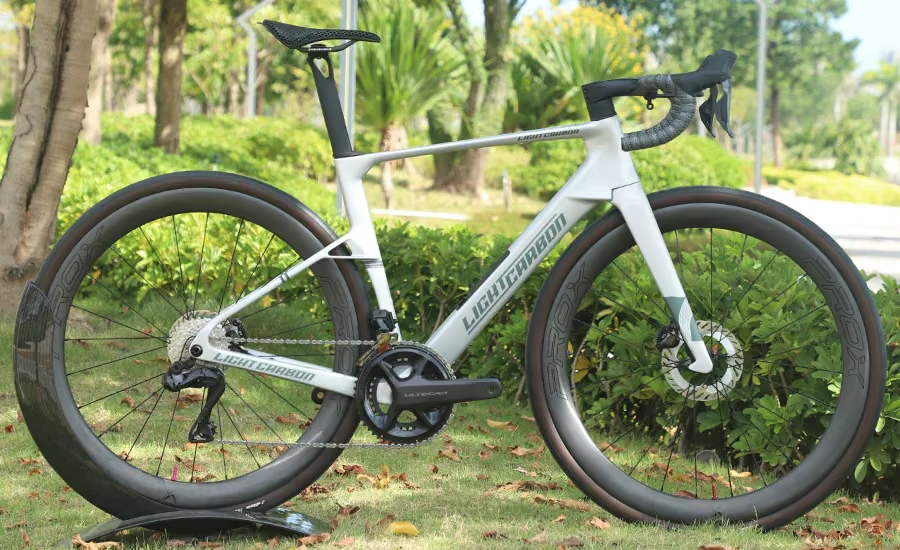
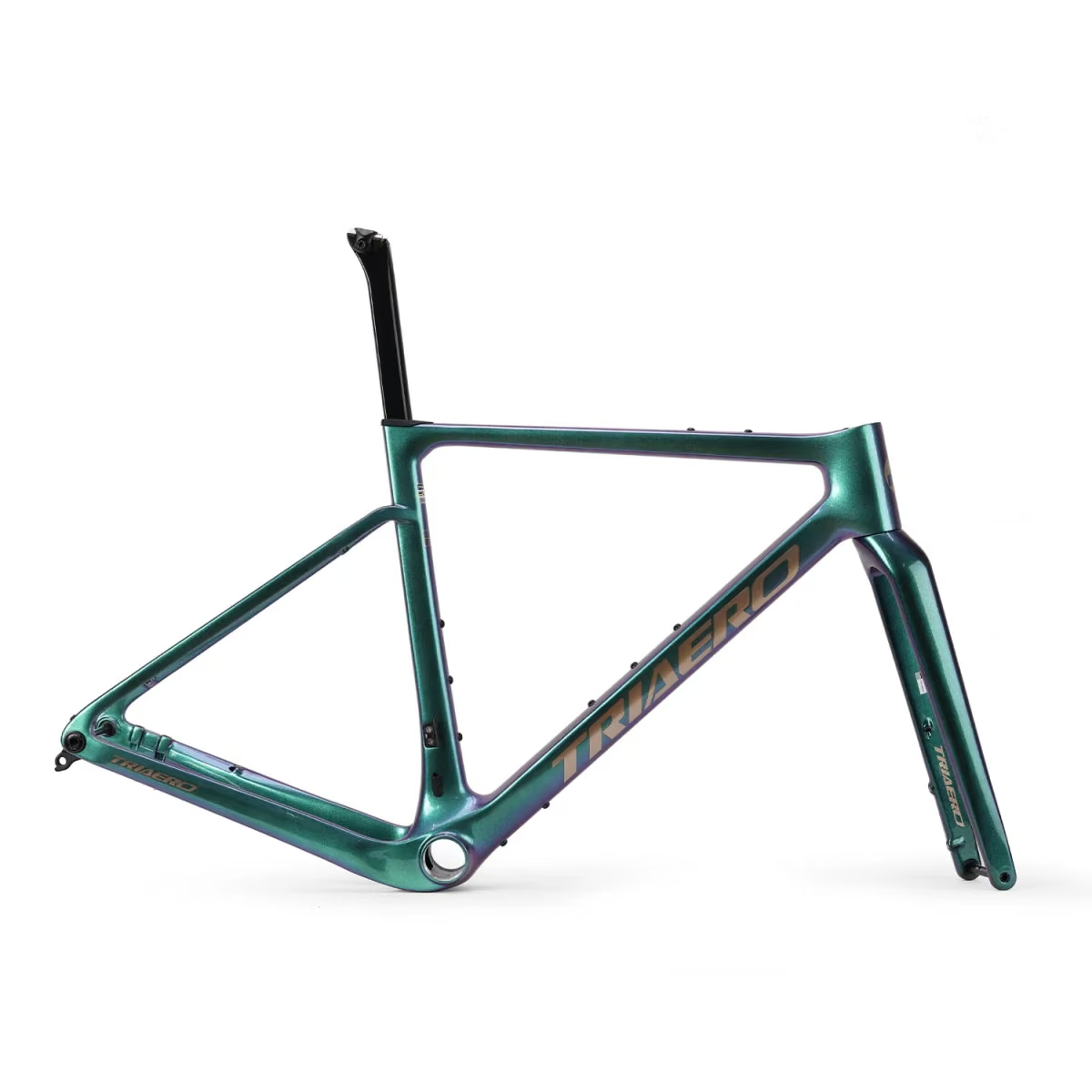
The GRARO and LCR018-D manufacturer records mention UDH. For a Full Mount build, confirm the exact frame revision, clearances and compatible system using the current Road AXS/XPLR instructions. A parts list for a hanger-mounted XPLR build is not approval for a Full Mount build.
For example, SRAM’s Rival XPLR frame-fit FAQ ties chainstay length to chainline. A seller’s reply of “UDH-ready” leaves that relationship unconfirmed. Ask the frame maker to check the exact proposed setup; do not transfer a compatible interface label into approval for the whole build.
LightCarbon LCR018-D · Model detailsManufacturer’s example build on the LCR018-D frameset; pictured parts are not a confirmed sale package.LightCarbon; see sourcePhoto unavailable; open the source to view it.
If you will use a conventional hanger-mounted drivetrain, a known replacement route and correct fit may matter more than a future upgrade label. If Full Mount is a definite plan, confirm the entire approved drivetrain, wheel/freehub and chain setup before the frame order.
Record the interface and supplied parts in your build sheet. “Future-proof” is not a specification; a documented build that meets today’s needs is.
For a hanger-mounted build, use the spare-hanger order checklist to confirm the actual replacement and fastening parts.