
Toe overlap on a small gravel bike: check the complete setup
The frame fits on paper; the shoe and turning front wheel may still need a separate check. Toe overlap is an interaction between several parts, so investigate the actual small-frame build before ordering.

List the parts that determine the space
Record frame size and revision, front wheel/tire package, crank length, pedal/shoe arrangement and any guard. Front-centre data helps describe the frame but does not alone answer whether your shoe meets the tire. A stock photo with another crank or tire is not an assessment of your intended setup.
Tire clearance answers a different question
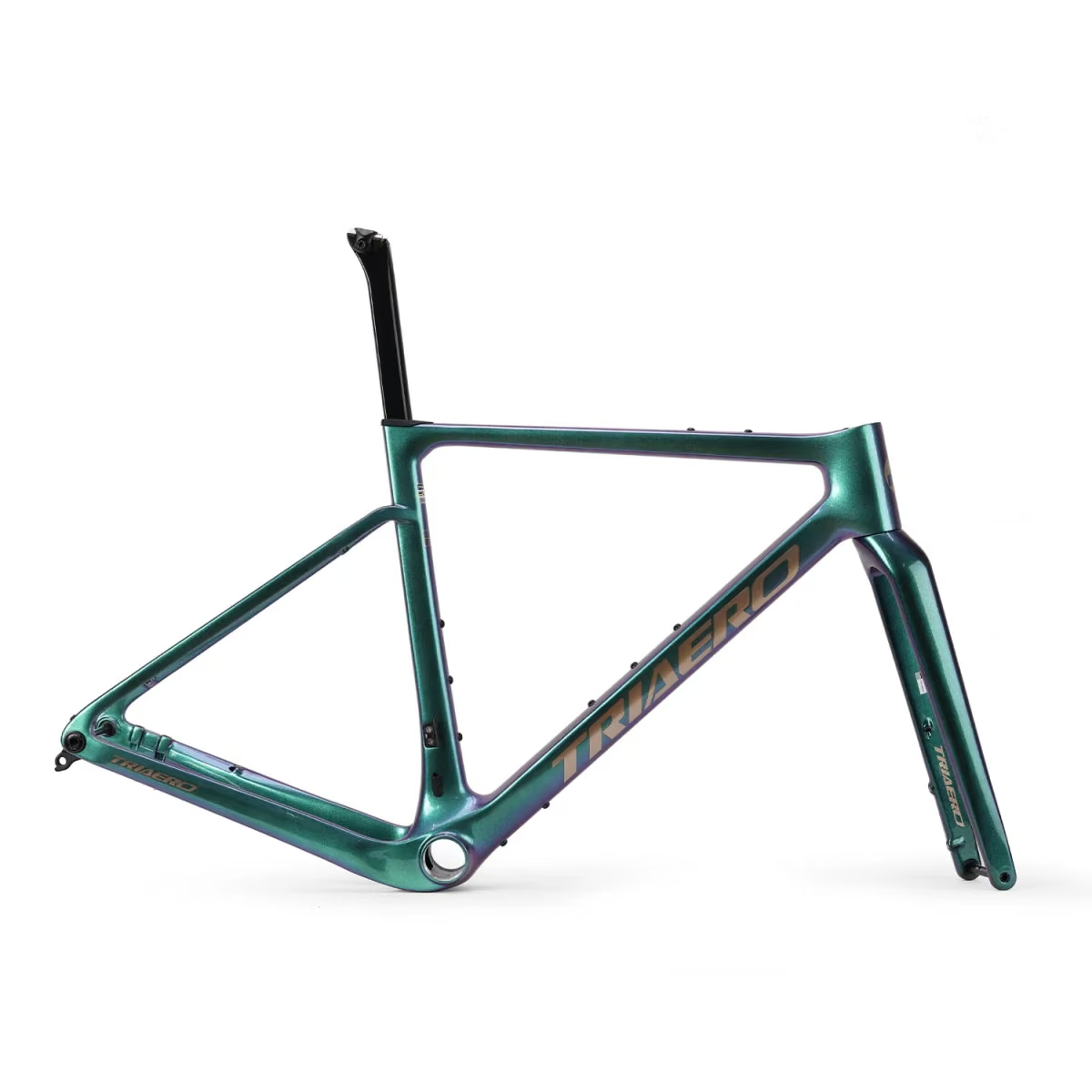
The current ICAN GRARO product page lists a maximum tire size of 700C × 45 mm. That describes the manufacturer’s tire limit for the listed frame; it does not establish clearance between your shoe and the turning front wheel. Confirm the exact GRARO generation and size, then assess the complete build. The product photo below identifies the frame, not a tested shoe–wheel combination.
A smaller nominal tire, different crank or different shoe arrangement also changes other riding requirements. Do not move cleats or alter fit solely to make an unresolved frame choice appear acceptable. A different wheel size needs approval for that exact frame.

Ask for a check of your actual configuration
Give the assembler the complete parts list and ask for an appropriate clearance assessment before use. If ordering remotely, request documentation specific to your size and intended equipment, and consider a fit consultation. Keep the answer’s limits clear if the seller has only inspected a different setup.
Send a specific request: “For this frame generation and size, with this front wheel and tire, this crank length, these pedals and shoes in my intended position, and this mudguard, what has been assessed for shoe-to-wheel clearance?” Ask which parts and positions the answer covers. If the seller only knows the tire limit or has checked another build, shoe clearance remains unresolved.
Choose a package whose relevant fit and clearance requirements are resolved. A generic claim that overlap “never matters” does not answer a specific interference problem.
Keep the checks separate: shorter-crank geometry explains how the pedal path changes; tire-clearance comparisons address tire and frame limits. Neither result substitutes for the shoe-to-wheel assessment.
Sources
Source review began . Research methodology.