
Choosing a race bike as a heavier rider: find the actual load limits
A “100 kg limit” can look reassuring until you discover it includes the bike, bottles and saddlebag. If you’re a heavier rider shopping for a fast bike, start with your ready-to-ride load and what each manufacturer actually counts. A light frame is only one part of that calculation.
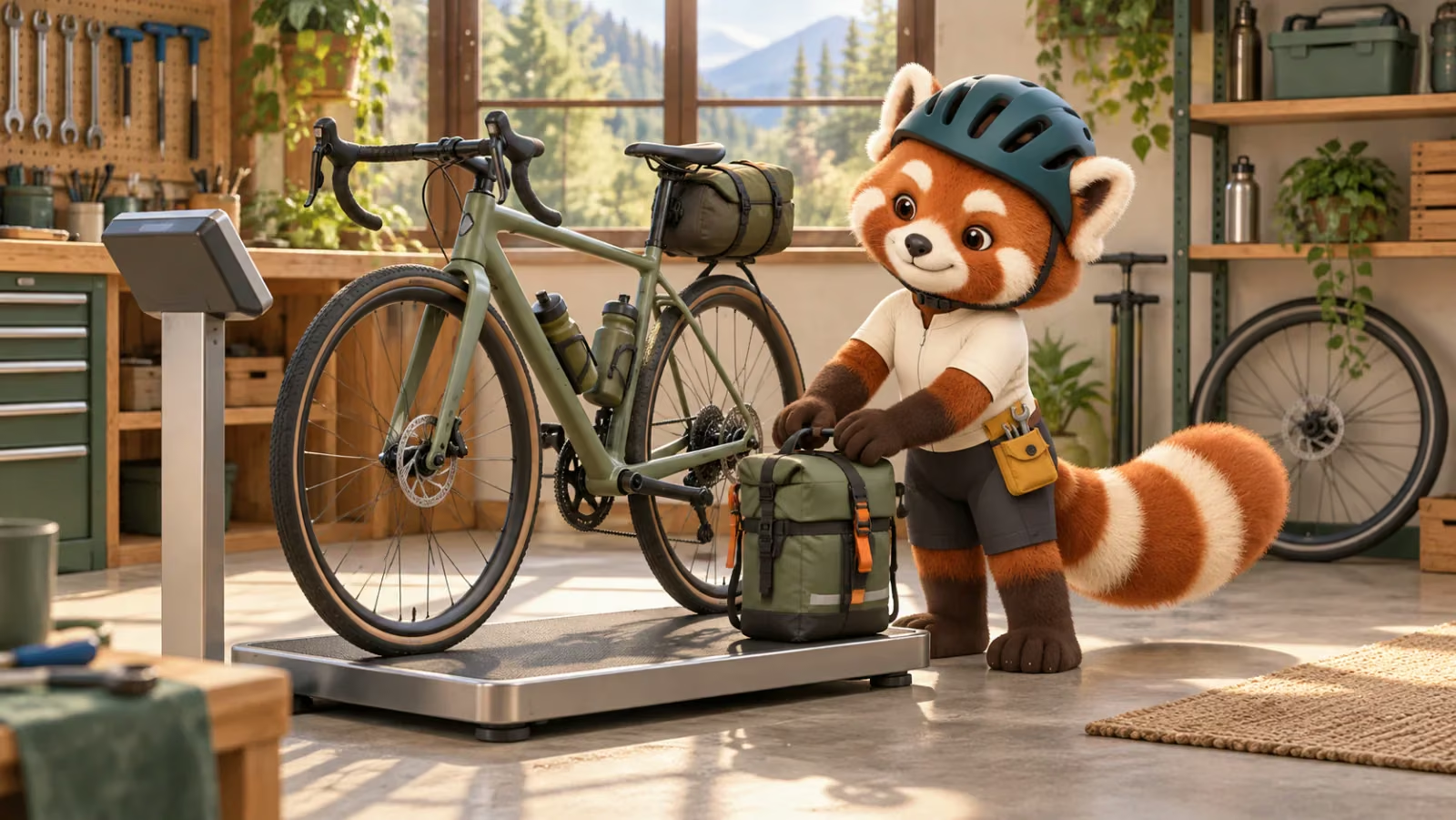
Count everything that leaves the house
For an illustrative calculation, a 95 kg dressed rider, 9 kg bicycle and 4 kg of water and equipment total 108 kg. These are example inputs, not an approved limit for any frame. Measure your own riding setup, including clothing and whatever equipment or luggage the relevant definition includes.
Keep rider weight and total system weight in separate boxes on your shopping list. A 100 kg rider limit and a 100 kg system limit are different statements. Don’t subtract bicycle weight from a rider-only allowance, or leave the bicycle out of a system-weight calculation. If the definition is unclear, ask before using the number.
Make a load-limit sheet for the whole build
Collect the limits for the exact frame revision, fork, wheels, cockpit, seatpost and other relevant components. Compare each with the load its own definition requires. Where limits use the same system-weight definition, the lowest applicable one constrains the build. A higher frame allowance does not increase a wheel’s rating.
Use this sheet before ordering a frameset or accepting a complete-bike specification. “Carbon,” a race-oriented name and thick-looking tubes don’t answer these questions.
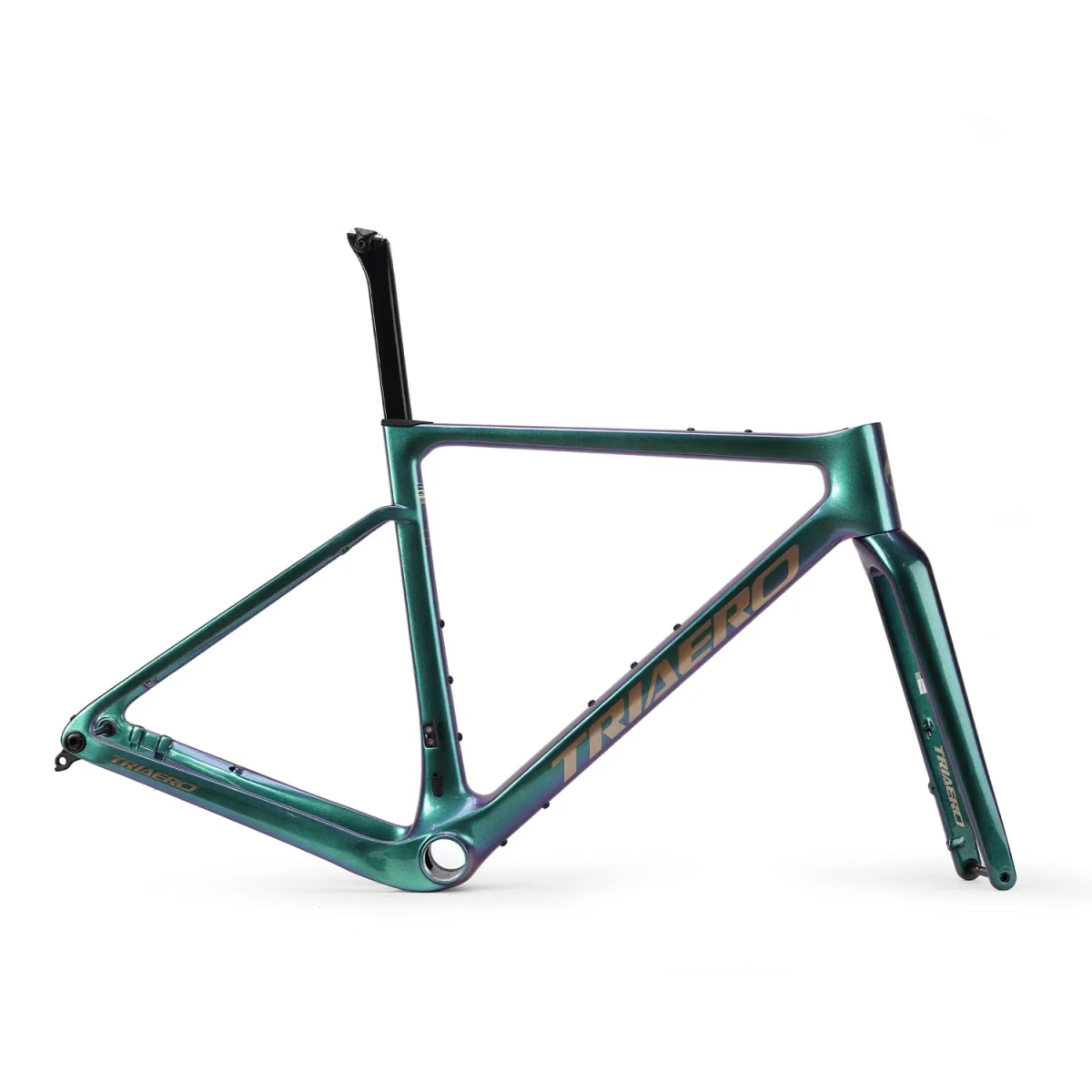
The ICAN GRARO record identifies a gravel-race frameset to investigate. Its photograph and published frame mass are not a written load approval for your complete build. Ask ICAN about your exact frame, fork and intended use; don’t fill a missing limit with a guess.
| Part | Question to resolve | Evidence to keep |
|---|---|---|
| Frame and fork | Which revision, load definition and riding conditions are approved? | Exact manual or written manufacturer confirmation. |
| Front and rear wheels | What are the exact models, system limits and permitted use? | Product codes, rating definitions and relevant manual. |
| Cockpit and seatpost | Are these exact parts approved for the rider and setup? | Component limits and installation requirements. |
| Luggage and mounts | Are the intended bags, attachment points and loads approved? | Separate luggage limits and confirmed mounting configuration. |

What an actual wheel rating changes
On October 4, 2026, DT Swiss’s ARC 1100 DICUT rim-brake page listed a 100 kg maximum system weight for rear-wheel variant WARC110HRQJCA19292. The October 8 recheck still showed 100 kg for that exact variant.
DT Swiss’s intended-use manual defines system weight as rider, bicycle, equipment and luggage. On that basis, the hypothetical 108 kg setup exceeds this example’s 100 kg rating. Comparing only the 95 kg rider would miss the problem.
This rim-brake wheel is not a compatible recommendation for the disc-brake GRARO. The example shows how to read a rating, not which wheels to buy. Check your own exact front and rear wheels, brake and axle interfaces, riding category and all additional manual conditions.
Resolve the unanswered questions before paying
Send the seller your load-limit sheet, actual riding load and intended use. Ask for the exact wheel and component models in the quotation, so a last-minute substitution does not leave you checking a different build. If a material limit stays unresolved, choose another configuration with documented requirements.
Fit and load approval are separate jobs. Use the frame-sizing worksheet for position, and the endurance-versus-aero guide to narrow the kind of bike you want. Then confirm tire/rim compatibility and correct installation with the relevant manuals and qualified help. A missing limit is missing evidence; it is neither a verdict against a brand nor permission to ride.
Sources
Source review began . Research methodology.