
Endurance or aero frame: choose the position you can keep
Choose the frame that can achieve your established riding position with approved parts and fit the tires your rides need. If both candidates can do that, compare aerodynamic evidence, adjustment options, service work and price. Endurance and aero can overlap; neither label guarantees comfort or tells you where your hands will end up.

Compare the finished front end
Frame stack and reach describe the frame, not the final grip position. Stem length and angle, spacers, bar reach and hood placement all contribute. Canyon’s geometry explanation makes this frame-versus-contact-point distinction useful. Do not compare two labels such as “medium” and assume equal fit.
Use measurements from a comfortable existing bike or a fit assessment. Work out whether each candidate can reproduce that position with its approved parts and spacer limits. If reaching the position requires an unavailable cockpit length or an unapproved spacer tower, the frame is a poor fit for this build.
Marketing categories can overlap
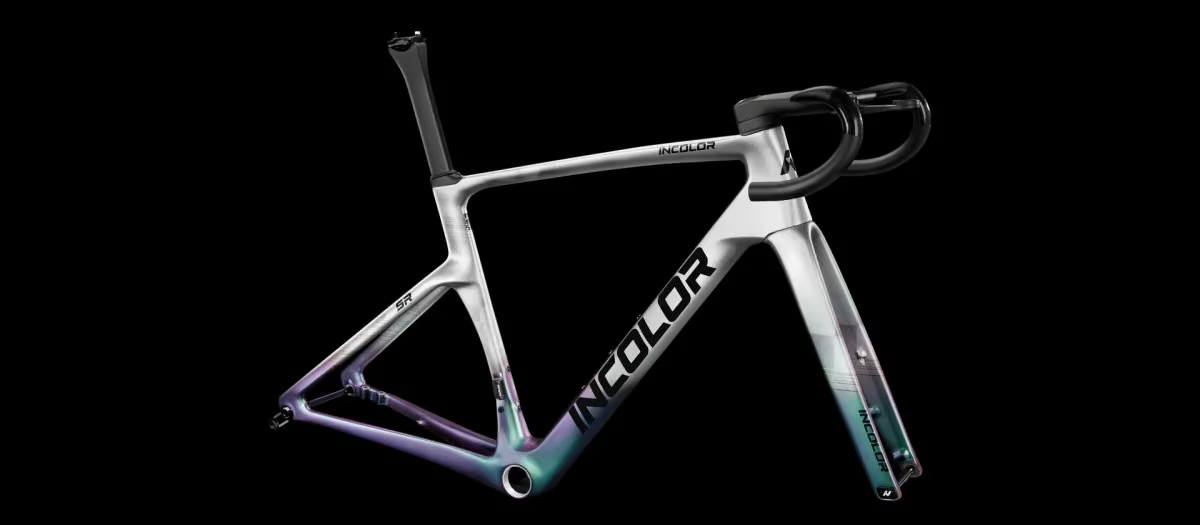
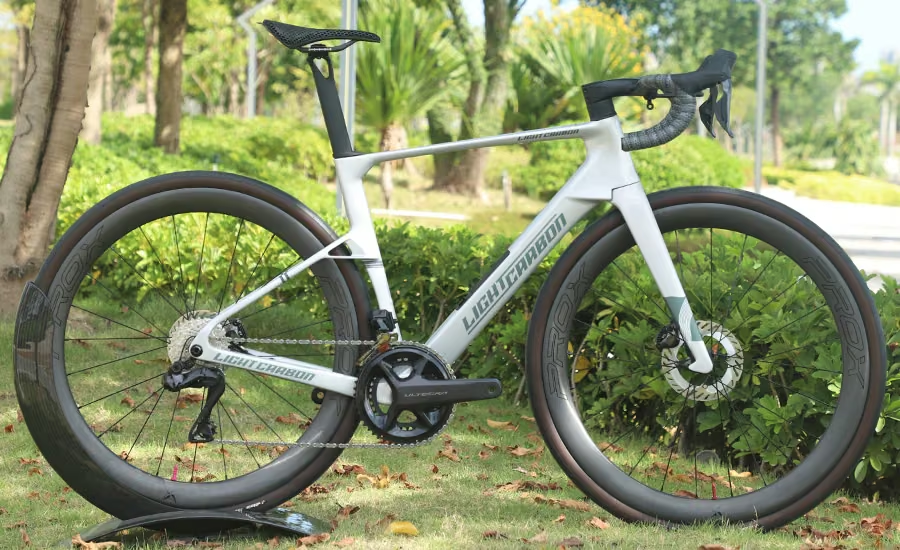
The LightCarbon LCR018-D is presented as an aero endurance frame; the INCOLOR Speedster SR occupies the wide-clearance aero part of the catalog. INCOLOR’s brochure limits slick tires to 32C with two chainrings; its 38C slick-tire limit applies to a single-chainring build. The first example alone shows why endurance and aero are not opposite boxes. Compare exact size geometry, supported tires and included cockpit options. Neither a product description nor a tube shape is a personal comfort test.
Treat aerodynamic claims as claims unless the relevant test conditions and comparison are available. You cannot turn a shaped down tube into a trustworthy watt saving for your own riding. You can, however, check whether the bike accommodates your position and intended wheels.

Use fit to narrow the choice
If only one frame can reach your established position with available, approved parts, keep that one on the shortlist. For example, if your fit calls for higher hoods and one candidate would exceed its permitted spacer stack, a claimed aerodynamic benefit does not solve the fit problem. This is an illustrative decision, not a finding about either model above.
If both fit, compare the exact cockpit options, tire setup, full price and a service quote for a job such as a headset-bearing replacement. An aerodynamic premium is easier to assess when the test names the compared builds and conditions. Without that evidence, leave its performance value unresolved rather than inventing watts.
If neither fit is established, pause the frame choice. Use the stack and reach guide to organize the geometry and the integrated-cockpit guide to identify the parts and adjustments involved. Decide the position before committing to a cockpit that may be costly to replace.
Sources
Source review began . Research methodology.