
Tubeless or tubes for a first build: choose the upkeep, too
Tubeless can be a useful choice for gravel, but “no inner tube” does not mean “no puncture plan.” Tubes can be simpler for a rider who already knows the repair. Choose the routine you can maintain and practise, then buy an approved rim-and-tyre combination.
Start with compatible hardware
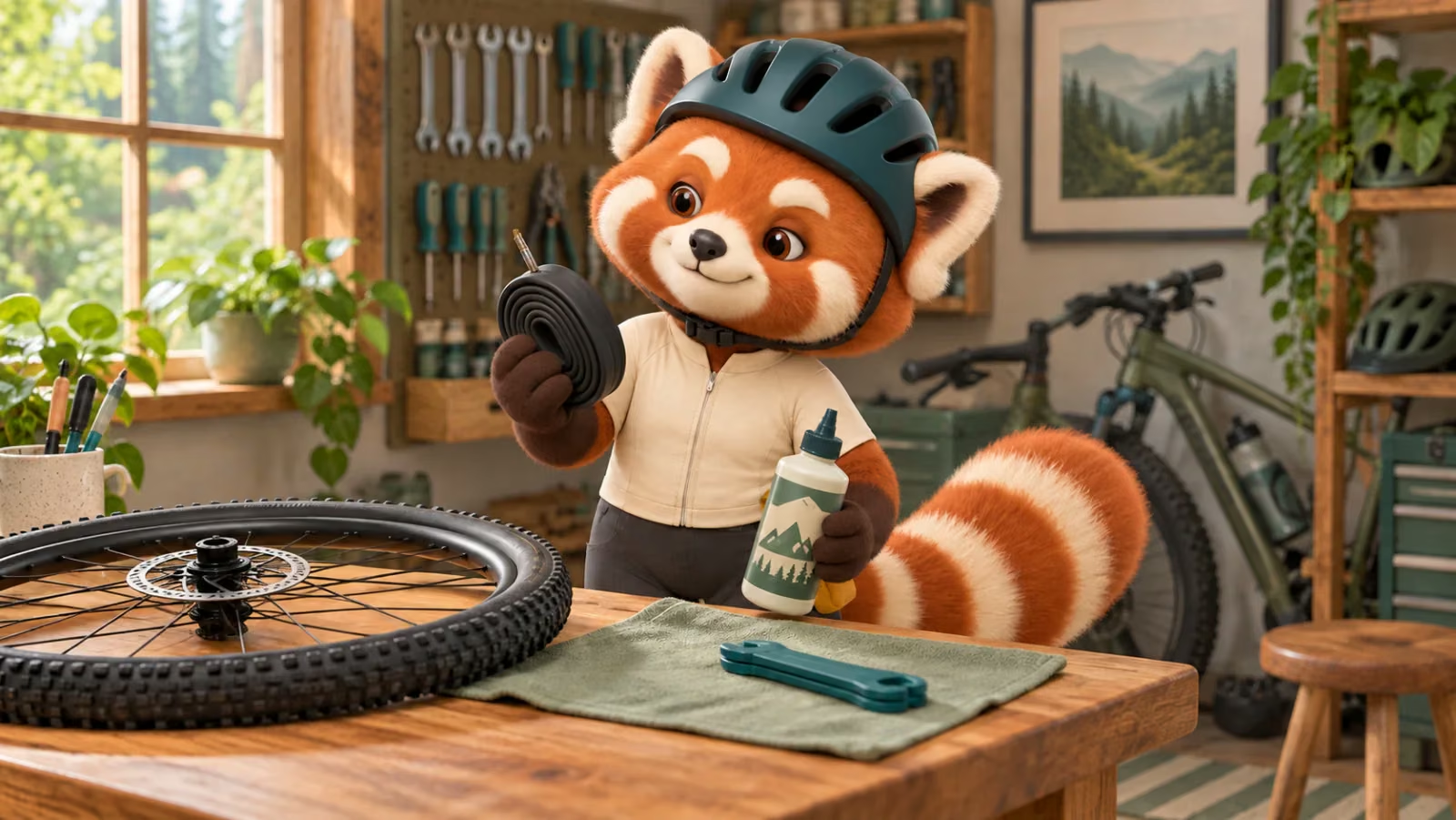
For tubeless, verify wheel and tyre approval, suitable tape, valve and sealant, and the specified installation procedure. Schwalbe’s tubeless guidance limits conversions to compatible wheels and tyres. Tape and optimism cannot convert an unapproved rim. If you choose tubes, check tyre/rim suitability and the correct tube size and valve length.
Imagine the bike three months later
Will you check pressure before rides, inspect sealant according to its maker’s interval, and deal with an air leak? Or would you prefer carrying a tube and a repair you already know? There is no honest universal sealant interval: product, climate and use matter. For either system, you need an inflation tool capable of the job, not just one that fits neatly in a bag.
Suppose the tyre still holds air three months after setup. That alone does not show that the sealant can still close a new puncture: Schwalbe distinguishes an airtight system from active puncture protection. Check the instructions for your actual sealant before a long trip. If you cannot keep up that routine, a permitted tube setup you can repair is a practical first choice.
Practise the repair before the remote ride
On a GRARO build, have the assembler show wheel removal, tyre handling and the approved emergency repair. Carry a suitable tube only if the wheel/tyre rules permit it, plus the tools to remove the wheel and inflate. A tubeless plug cannot repair every cut or structural tyre damage.
Begin with a local ride and recheck pressure retention. You can choose a different approved system later; there is no prize for having the most elaborate first setup. The best first ride is the one where the tyres stay a small part of the story.
Use the hooked-versus-hookless guide for the separate tyre-retention and emergency-tube approval check.

Sources
Source review began . Research methodology.