
Hydraulic or mechanical disc brakes: compare the service, too
The word “mechanical” on a bike listing may describe the gears, not the brakes. Start by identifying what moves the brake pads. Then compare the finished system you will use and maintain, rather than choosing from a single adjective.
Trace the connection to the caliper
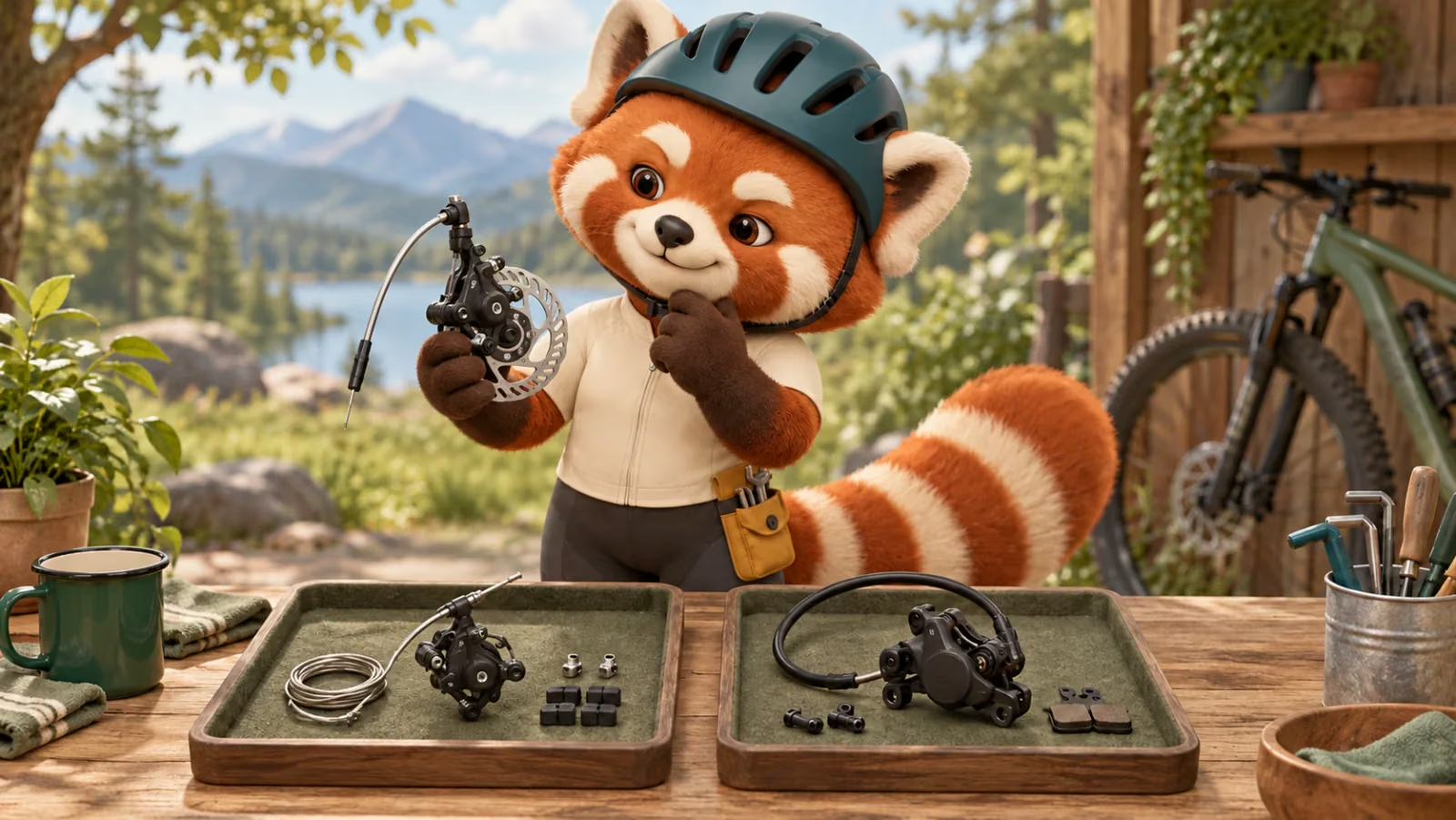
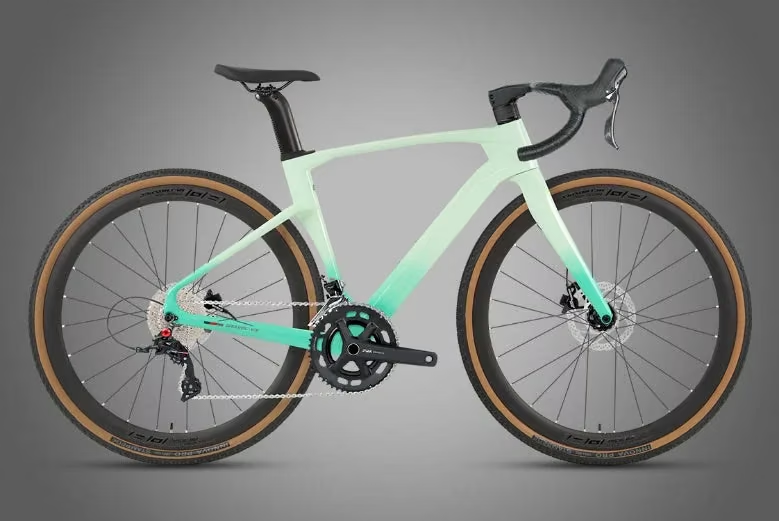
A mechanical disc brake uses a cable to actuate the caliper; a hydraulic system transmits force through fluid in a hose. Cable-operated hydraulic calipers are a distinct hybrid arrangement. Ask for lever and caliper model codes. Our dated Twitter V3 RS record combines mechanical shifting with hydraulic brakes, while the EDS version has electronic shifting and hydraulic brakes.
A cable at the caliper does not by itself settle the service question: TRP’s HY/RD is a cable-actuated hydraulic example. Identify the exact caliper before ordering spares or asking for a cable-only service quote; a hybrid also has a hydraulic section governed by its own instructions. This example does not establish compatibility with the V3 builds above.
Compare maintenance jobs you can obtain
Mechanical systems need suitable cables/housing and model-specific pad adjustment as they wear. Hydraulic systems require the prescribed fluid, fittings and bleed procedure when service is needed. DOT and mineral-oil fluids are not interchangeable. Even one brand can have different fluid systems: SRAM’s safety instructions distinguish its DOT brakes from its mineral-oil brakes. That does not specify the fluid for a Twitter build. Use the exact brake maker’s instructions, not another model’s convenient video.
Ask your workshop for the installed price and a normal service quote for both complete options. Park Tool’s mechanical alignment guide shows why pad setup is part of the job, not something settled by the brake’s brand name.
Try the lever with your hands
Check lever reach and secure braking from the positions you use, including with gloves. Judge a properly installed, bedded-in system; a poorly adjusted sample is not a fair category comparison. For long descents or heavy loads, have the assembler verify the complete approved brake/rotor setup for your use. A cheaper brake that you cannot operate or service comfortably is not a saving you will enjoy.
Keep the choice of shifting system separate from this brake decision, and confirm rotor and frame/fork approval for the finished build.
Sources
Source review began . Research methodology.