
Mechanical or electronic shifting: buy the routine you will enjoy
Electronic shifting is appealing until the charger is in another bag. Mechanical shifting is appealing until a tired cable makes every shift an argument. Choose which routine you prefer, then check the whole build: the shifting method does not tell you how the brakes work.

Two real builds, two separate questions
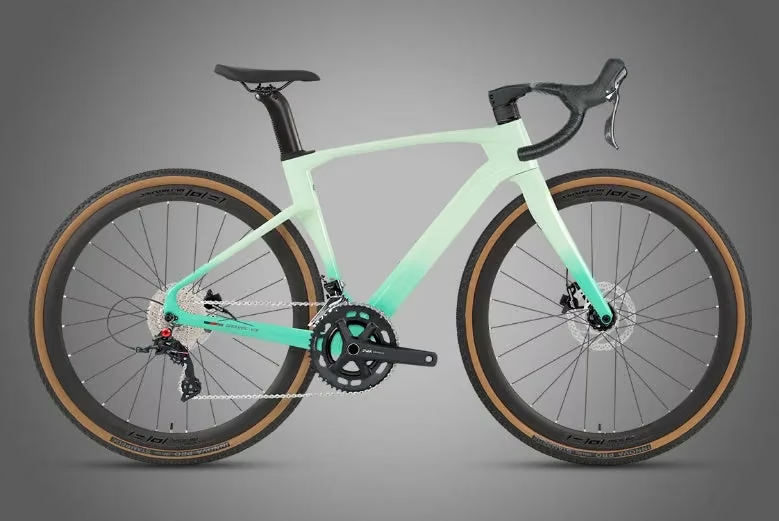
Our dated records list the Twitter V3 RS with Sensah mechanical 2×12 shifting and the V3 EDS with WheelTop electronic 2×12. Both records describe hydraulic disc brakes. The photo shows a regional Shimano 105 build on the same frame platform, not either configuration compared here. The dated records do not establish today’s stock or promise that every V3 has those parts.

Compare a normal month, not a showroom shift
For mechanical shifting, include cable and housing condition, adjustment and the labour involved in internal routing. For electronic shifting, identify every battery, the charging connection, low-charge indication and the correct setup instructions. Shimano Di2, SRAM AXS and WheelTop EDS are different systems; “wireless” does not settle how every component gets power.
Try the actual lever shape and button or paddle reach if possible, especially with the gloves you use. A system you can operate comfortably matters more than a headline about shifting speed. Ask a local workshop what it supports before choosing a system you expect it to maintain.
Get the replacement price before the upgrade price
Compare a replacement rear derailleur, lever, battery or cable service using actual local quotes. Record who supplies the part and the expected delivery route. If the electronic option still fits your budget and charging is easy to remember, it may be a pleasant upgrade. If it consumes the tyre, fit or service budget, mechanical shifting can be the more useful purchase. Neither choice fixes unsuitable gearing; check the gear range separately.
Sources
Source review began . Research methodology.