
Before fitting a larger brake rotor, check four approvals
A larger rotor is not a harmless decoration. It changes the brake’s geometry and the loads applied through its mount. Start with the approved combination, then consider whether a change addresses the braking problem you actually have.

Frame, fork, brake, adapter
Confirm front and rear approvals separately. Match rotor diameter and thickness to the brake, and use the correct adapter orientation and mounting bolts. A fork’s allowance does not establish the rear frame’s allowance. Mounting a rotor that clears the frame is not enough to prove the setup is approved.
For a proposed rear 180 mm conversion, an adapter advertised for that diameter answers only the caliper-position question. It does not supply the frame manufacturer’s approval. If the quote identifies the adapter but leaves the rear-frame allowance unanswered, the four checks are still incomplete; ask for the exact frame’s documented approval before ordering.
Treat each model’s listing precisely
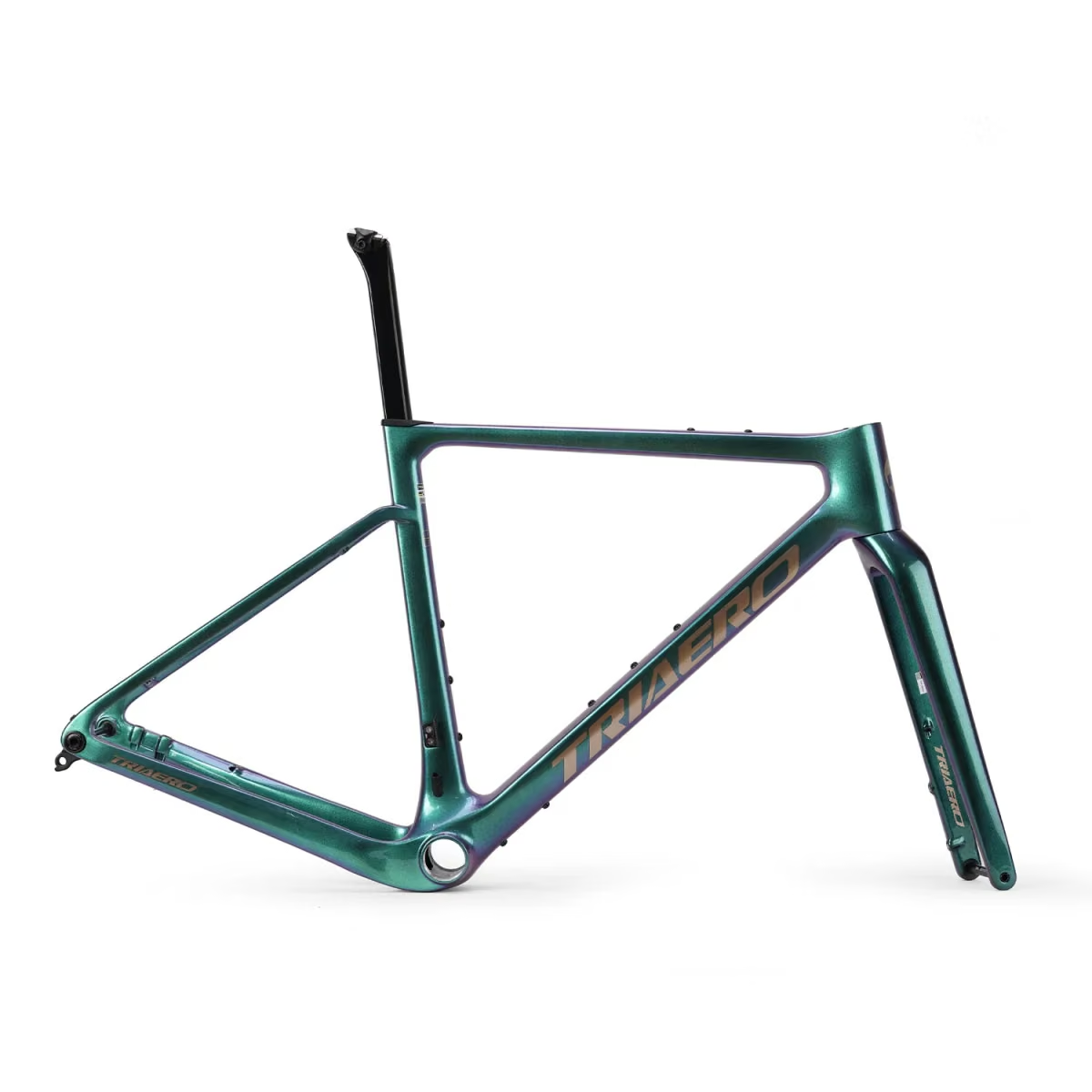
The GRARO page lists a 160 mm front and 140 mm rear arrangement. The LCR018-D page lists flat-mount 140/160 mm. These listings, rechecked on October 22, 2026, describe those pages; they do not authorize an unlisted 180 mm conversion or prove compatibility with every caliper. Ask for the exact frame/fork approval if a larger size is proposed.

Diagnose before buying diameter
If the lever feels abnormal, the system leaks, or braking is unreliable, have it inspected before riding. Contaminated or worn pads, incorrect setup and incomplete bed-in are different problems from insufficient approved rotor capacity. A bigger rotor is not a repair for those faults.
Give the workshop rider mass, bicycle mass and luggage mass separately, plus route demands and current brake/rotor codes. If a manufacturer specifies a system-mass limit, use its definition rather than treating a rider-only limit as a total. Request one complete approved option with parts and labour. For installation principles, Park Tool’s rotor guide is useful; the actual component instructions determine your fasteners and torque.
Use the freehub and cassette guide to keep cassette mounting separate from the rotor’s hub interface. Save the complete approved parts list using the frameset order checklist.
Sources
Source review began . Research methodology.