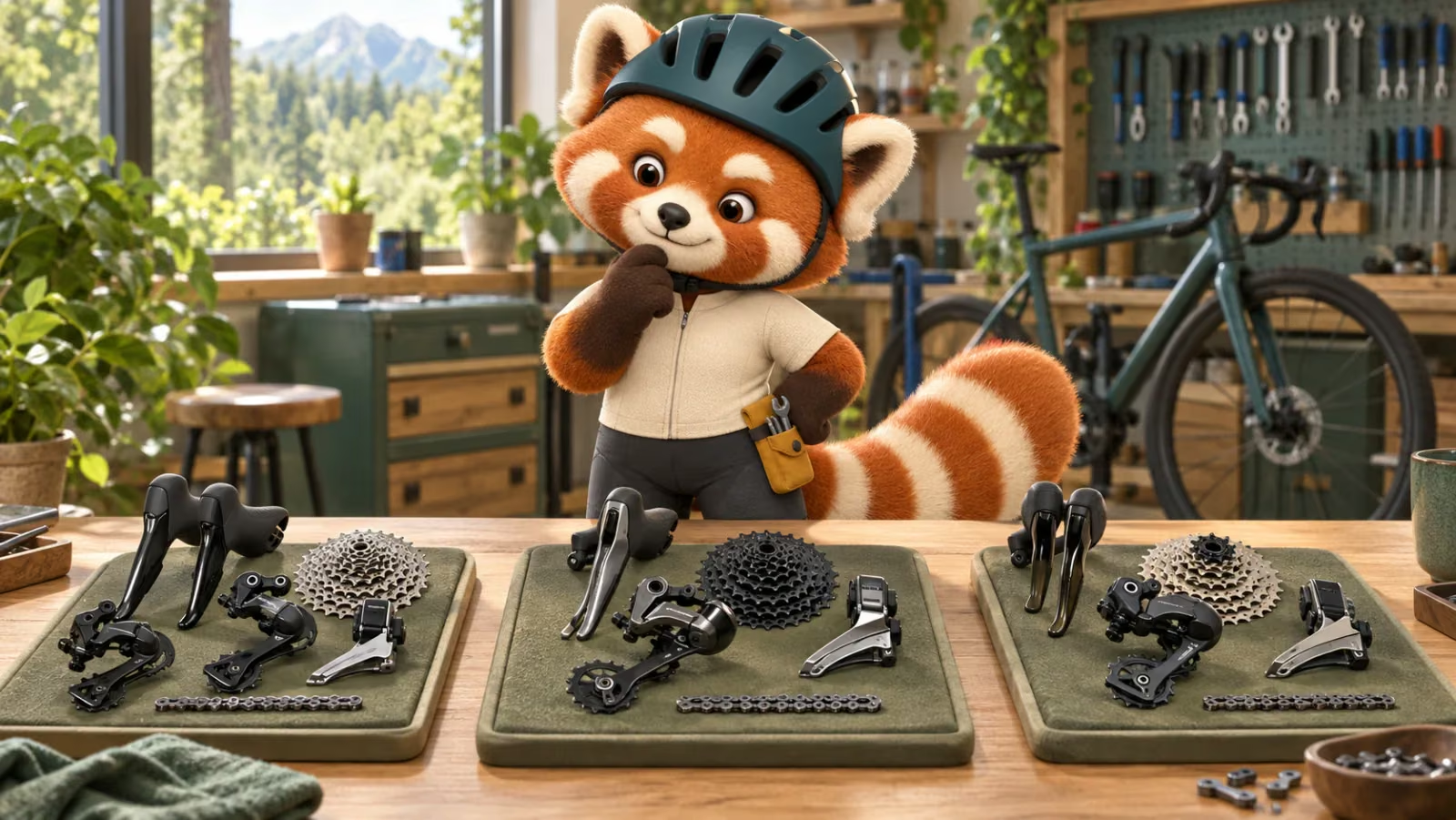
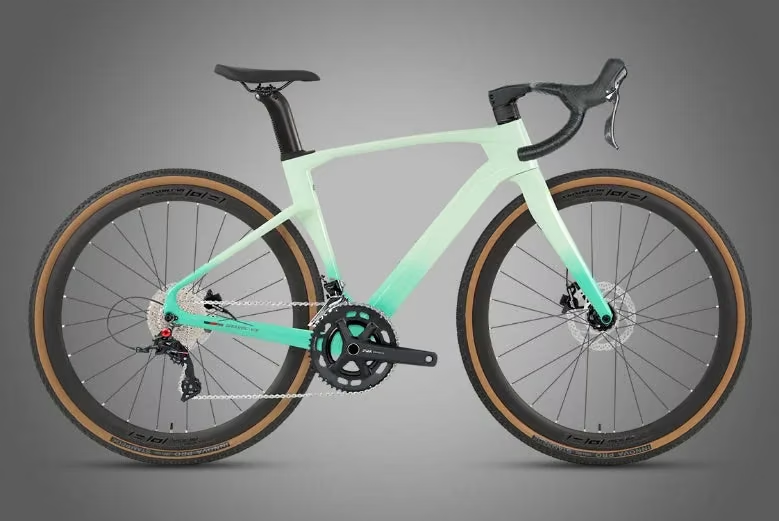
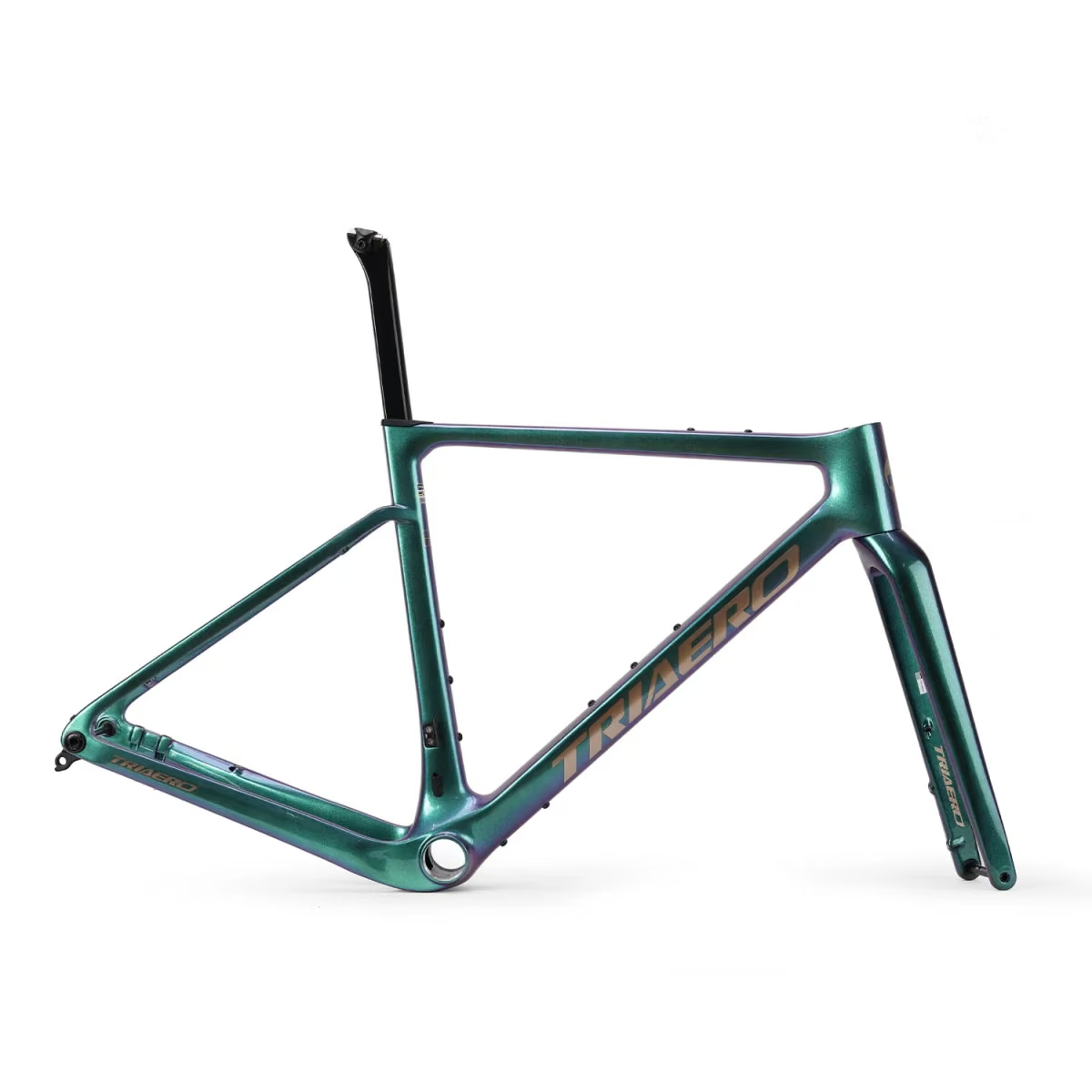
WheelTop, Sensah or Shimano: compare the complete offer
A groupset brand is too broad to buy. “Shimano” could mean different generations and shifting methods; “WheelTop” could mean a road or gravel system. Ask for component codes before deciding which logo deserves your money.
The dated V3 RS and V3 EDS records provide a useful mechanical/electronic contrast, not a durability verdict. For a fresh quote, request lever, derailleur, crank, cassette, chain and brake codes. Do not let “full groupset” conceal a substituted crank or unlisted caliper.
WheelTop’s GeX page separates derailleur versions with different capacity limits. Its broad speed-count marketing is not approval for every cassette and chain. A GeX owner’s experience also does not review the EDS TX fitted to another bike. For Shimano and Sensah, apply the same exact-model standard and obtain the matching instructions.
A hypothetical offer of “GeX, 10–52T” still leaves a decision open: WheelTop lists a 46T maximum for the 75mm version and 52T for the 93mm version. The 75mm version fails that requested sprocket limit. The 93mm version passes this check alone; it does not establish complete drivetrain or frame compatibility.
A comparison sheet for three actual quotes
Question
Record for each offer
Gearing
Ring teeth, cassette teeth, approved combination
Braking
Lever/caliper pairing, fluid, pad reference
Service
Local support, spare-part route, warranty contact
Total cost
Installed price, required extras, delivery
Choose the package you can live with
Ask the workshop you will use to price a normal service and a replacement lever. Then consider controls you can reach, useful low gears and the installed total. Owner reports can reveal questions worth asking, but a complaint about another generation should not decide your purchase. If a seller cannot identify the parts, keep that uncertainty in the comparison rather than awarding the cheapest offer an imaginary advantage.