Handlebar width and flare: what does “42 cm” actually measure?
Two handlebars marked 42 cm can put your hands in different places. The width reference may differ, and flare can make the drops wider than the hood area. Get the drawing before assuming the number matches the bar you already like.
Ask whether width is centre-to-centre or outside-to-outside and where along the bend it is measured. As a concrete example, Ritchey’s SuperLogic VentureMax page says its width is measured at the initial bend rather than the hood. That convention should not be transferred to another handlebar.
Record your existing bar’s identity and measurements using the same reference. Otherwise a comparison between two “42” labels can hide the difference you actually care about.
For your comparison, write “42 cm at the initial bend; hood width not supplied.” The first dimension is known; the second is still unknown. Do not copy the size label into the hood-width box just to complete the row.
Treat flare as shape, not a fit verdict
Flare affects how the drops spread and how the controls can be arranged. Also compare bar reach, drop, sweep and the mounting instructions. Do not calculate hood width from the flare angle alone without the complete geometry. Two bars with the same angle need not have the same hand positions.
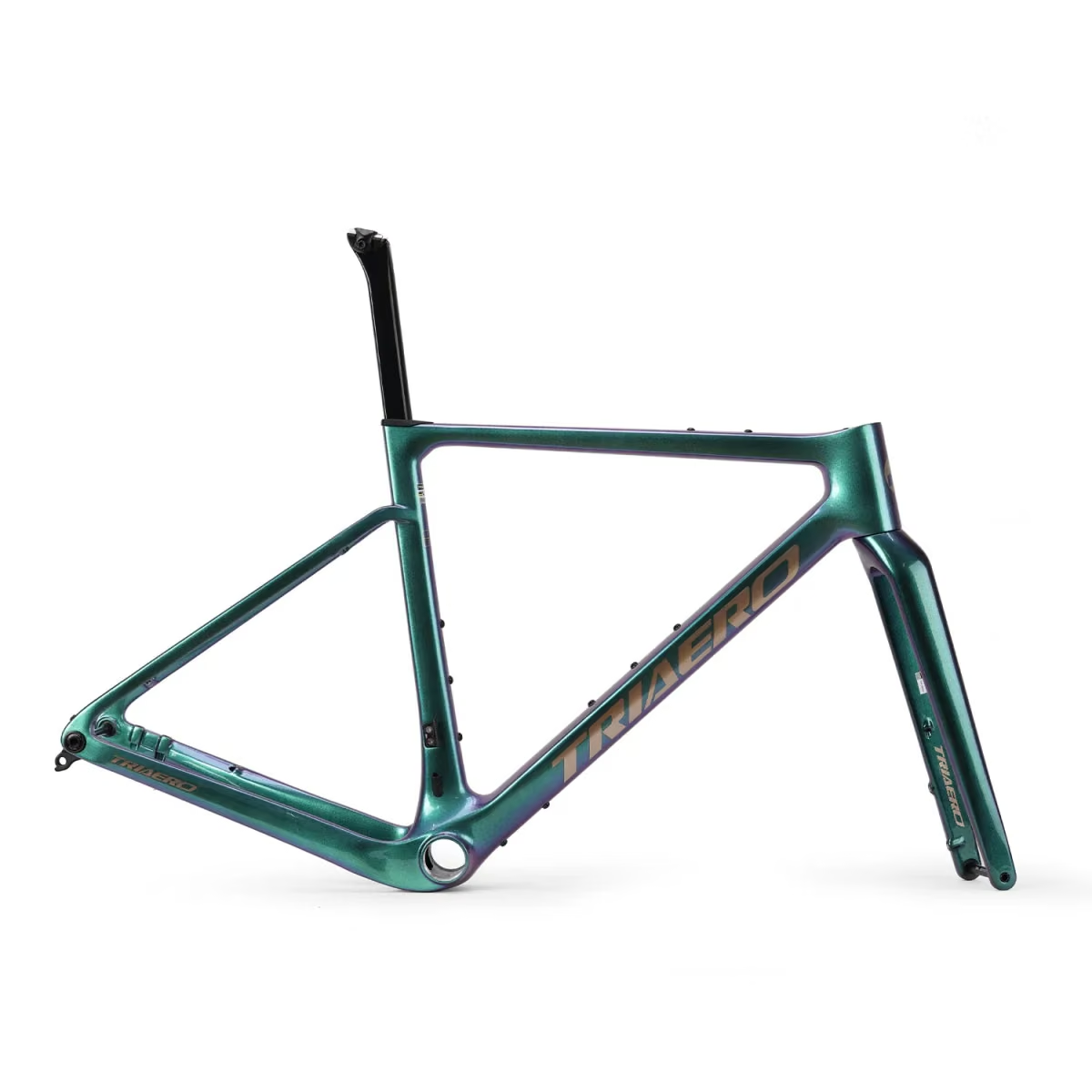
The ICAN GRARO frameset gives you a frame example, not a prescription for a particular bar width. Choose the actual cockpit through fit and intended use, with the complete routing and attachment compatibility checked.
Specify model, size code, measured reference and stem length if buying an integrated unit. Ask the seller to confirm the exact supplied combination. If possible, assess a comparable bar before committing to expensive routed assembly. Your hands use the real shape; the size label only names it.
Width and fore-aft position are separate decisions. Use the integrated-handlebar stem-length guide to check the stem and bar-reach combination after you have aligned the width references.