New bike, rubbing disc brake: diagnose before moving the caliper
That little shh-shh sound can make a new bike feel unfinished. Resist the urge to turn every bolt until it disappears. A short diagnosis preserves the evidence and often prevents you from adjusting the wrong thing.
Describe the rub
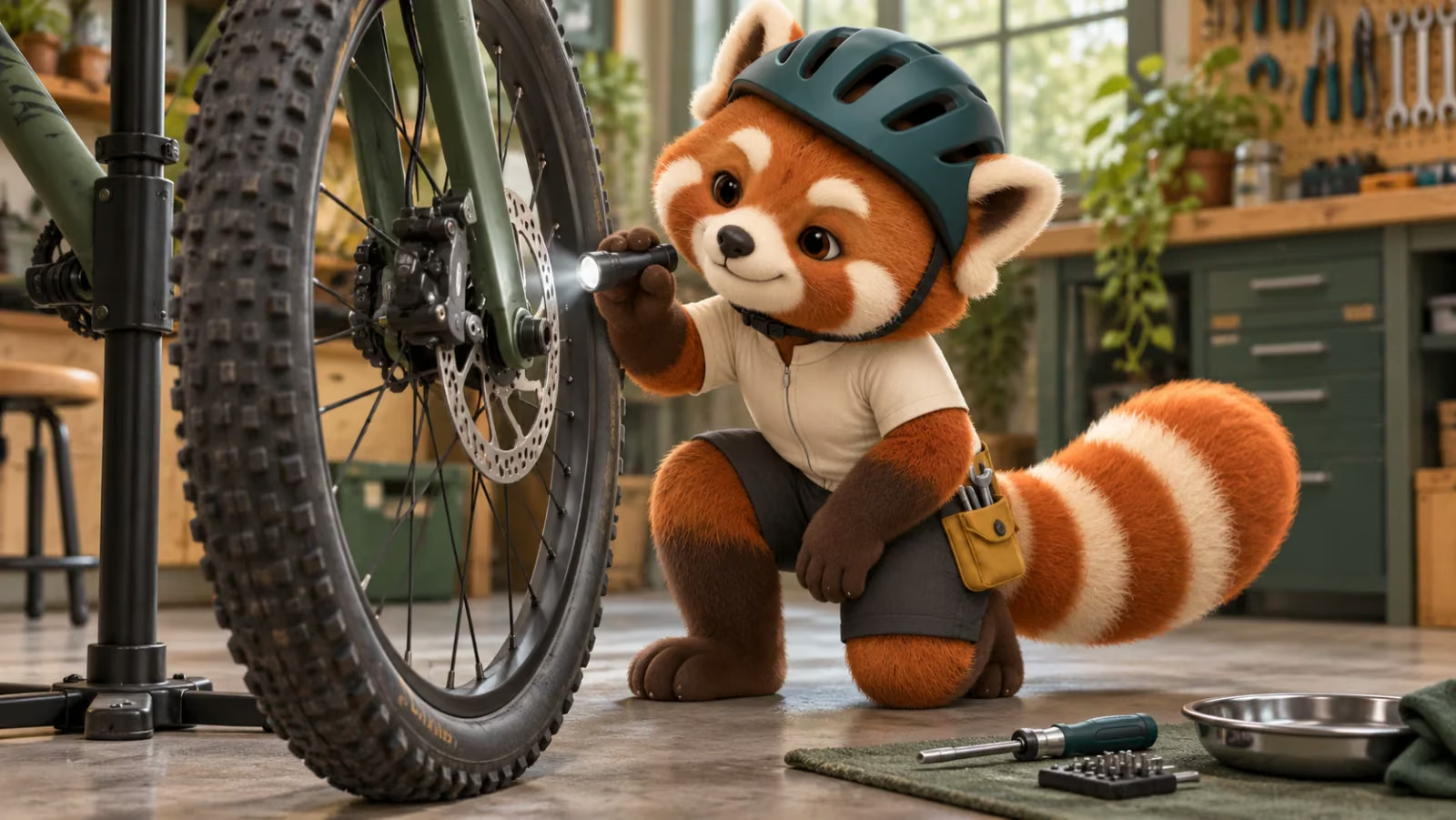
With the bike safely supported, observe without putting fingers or tools near a spinning rotor. Note front or rear, constant or once per revolution, and whether it began after wheel removal. A short stationary video showing the gaps can help the assembler. Noise alone does not identify a bent rotor or prove contamination.
Check the cause in a useful order
Park Tool’s hydraulic alignment guide lists wheel seating, rotor or bearing play, rotor distortion and piston issues alongside caliper alignment. Have wheel seating and fastening checked against the bike’s axle instructions before changing alignment. On a GRARO build, the exact fitted brake and wheel hardware still determine the service method.
If the wheel was removed and the rub began immediately afterwards, keep that sequence in your workshop notes rather than moving the caliper to hide the symptom. Identify the brake system and its service needs; the bed-in process is a separate commissioning step, not a way to correct wheel seating or alignment.
| Observation | Next check |
|---|---|
| Started after wheel removal | Wheel seating and correct axle fastening |
| Once per revolution | Rotor runout and mounting; workshop assessment |
| Persistent after correct seating | Alignment, pad clearance and piston condition |
| Play, leak or abnormal braking | Stop riding and arrange inspection |
Make one controlled correction
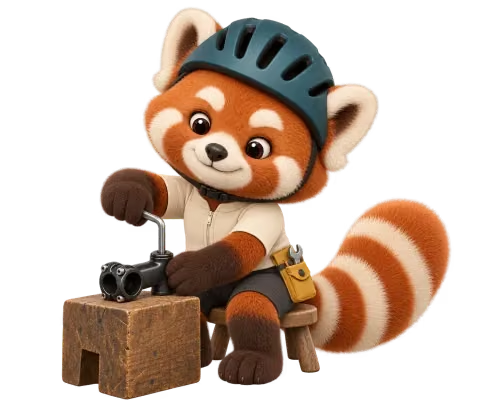
If alignment is the confirmed issue, use the matching brake instructions and torque values or let the workshop do it. Do not face carbon mounts, bend rotors or add washers as a guessing exercise. Recheck brake function after any service. A quiet spin in the stand is useful evidence, but the finished bike must also brake reliably.
Sources
Source review began . Research methodology.