
A creaking carbon bike: give the mechanic clues, not a verdict
The sound seems to come from the bottom bracket. Sound travelling through a bike is a poor witness. A useful diagnosis begins with when the noise happens, not which expensive part you have decided to replace.

First separate noise from a safety concern
Stop riding for suspected structural damage, steering/wheel play, loose components or unreliable brakes. After an impact, have the bike assessed even if the noise is intermittent. Trek’s carbon-care guidance warns that some damage is not visible. A creak cannot prove or exclude carbon damage remotely.
Describe a pattern without provoking a failure
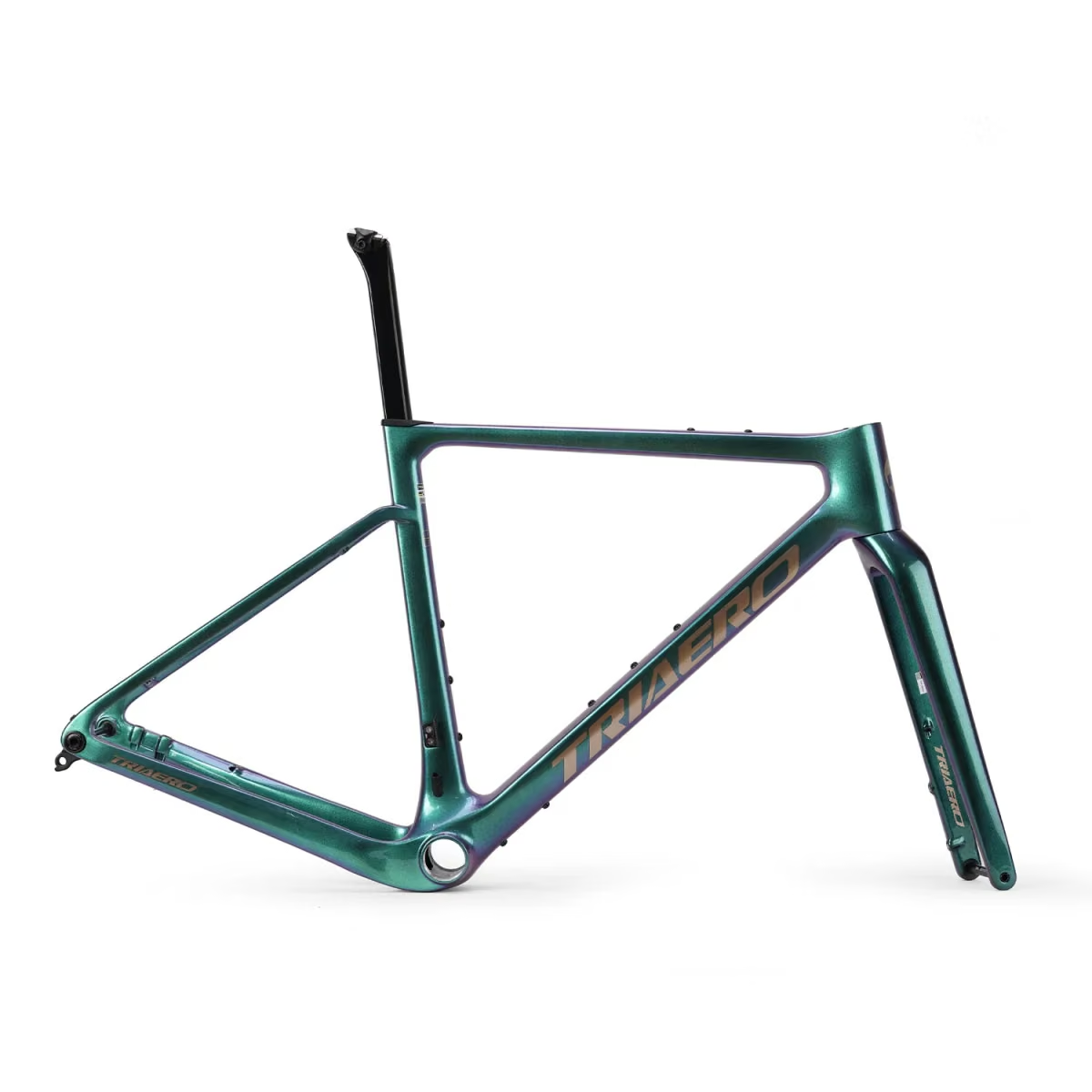
For a GRARO build, note when the sound was first noticed and any recent wheel, pedal, seatpost or drivetrain work. Record observations from normal safe use; do not ride harder to reproduce a worrying fault. Keep a short audio/video if it can be obtained safely.
Suppose the noise was present while seated and absent after standing. That makes the saddle and seatpost worth including in the inspection, but standing also changes how the bike is loaded. Write down the change; do not order a seatpost from that clue alone. Park Tool’s diagnosis guide also separates noises by the conditions in which they occur, rather than treating every pedalling creak as a bottom-bracket fault.
| Observation | What it helps separate |
|---|---|
| Seated or standing | Contact-point versus other load paths; not proof |
| Pedalling or coasting | Conditions in which drivetrain load is present |
| Same point each revolution | A repeatable pattern to investigate |
| After recent work | Components and interfaces changed |
| After impact or with play | Safety assessment before further use |
Change one thing and verify the result
Have the workshop inspect the relevant interfaces and use the exact component procedures. Randomly tightening every bolt or spraying lubricant everywhere can add damage, contaminate brakes and erase clues. Record the confirmed cause and correction, then verify reliable function. If the cause remains unknown, keep it unresolved rather than turning a quiet test into a diagnosis.
Give the workshop the pattern, recent work and any impact history before agreeing to a replacement. The local-shop enquiry guide helps define the inspection scope. If a bottom bracket is eventually implicated, the bottom-bracket interface guide explains why the exact shell and assembly still matter; it does not diagnose the sound.
Sources
Source review began . Research methodology.