
Ordering a bike without a test ride: send contact points, not guesses
If your current bike fits, it contains useful information that a height chart cannot provide. Record the position you actually ride before changing frames. The aim is a clear reference for the next build, with the limits of that reference kept visible.

Record a repeatable reference
Use the same saddle reference point for height and setback, and identify the bottom-bracket centre as a common reference. Note the bar and hood position, saddle model, crank length and any current spacers. Take level side photographs for context. Photos supplement measurements; perspective makes them a poor ruler.
- Label every measurement with its endpoints and units.
- Keep the parts that define the position in the reference sheet.
- Write down what already feels good and what you want to change.
| Record | How to make it repeatable |
|---|---|
| Saddle position | Name the saddle and the exact point measured. Record its height and setback relative to the bottom-bracket centre. |
| Hand position | Label the bar or hood point and its horizontal and vertical position relative to the same reference. |
| Parts and adjustment | List crank length, bar/stem dimensions, saddle and seatpost, plus the spacer arrangement. |
| Riding context | State your usual rides, what feels comfortable and what you want to change. |
Check the parts needed to reproduce it
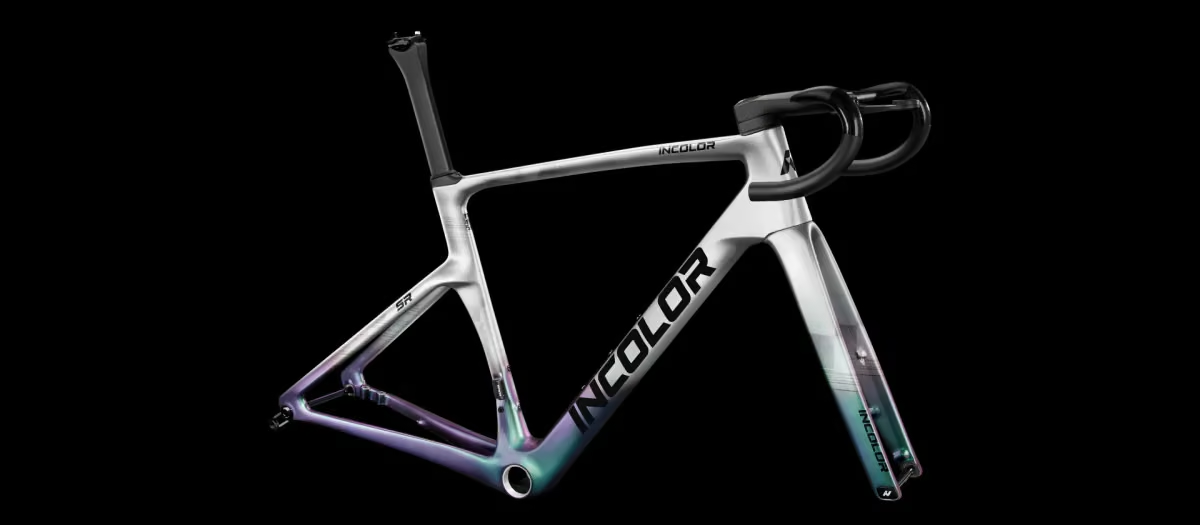
Frame size alone does not reproduce the reference. The proposed seatpost must reach the saddle position within its limits; the bar and stem must put your hands where planned. For the INCOLOR Speedster SR, check the actual available cockpit and post options rather than assuming the photographed combination suits you.
Ask the seller to specify the complete combination and leave approved adjustment room. Avoid cutting a steerer or fixing an irreversible setup before the fit is resolved.
Use the frame-sizing worksheet to compare the proposed frame. If you need a small frame, the small-rider checklist covers the cockpit and insertion questions that a size label misses.

Know when the reference is unsuitable
A bike that causes problems is not a fit template. Neither is a comfortable upright commuter a complete prescription for an aggressive drop-bar position. If the use or position changes substantially, get an appropriate fit assessment. The measurements make that conversation better; they do not replace it.
Before paying, make sure the new build can reach the agreed position with available approved parts. Written dimensions are more useful than a promise that a certain size “should be fine.”
Trek’s fitting guidance is a useful general check: you need a usable position and controls you can reach. Installation limits still come from the exact frame, fork, seatpost and cockpit instructions.
Sources
Source review began . Research methodology.