
Buying a Dengfu frame: a precise quote matters more than a tempting starting price
Dengfu’s R20 page identifies the gravel frame; it does not turn a model name into a delivered frameset package. A direct inquiry is most useful when the manufacturer answers one complete configuration.
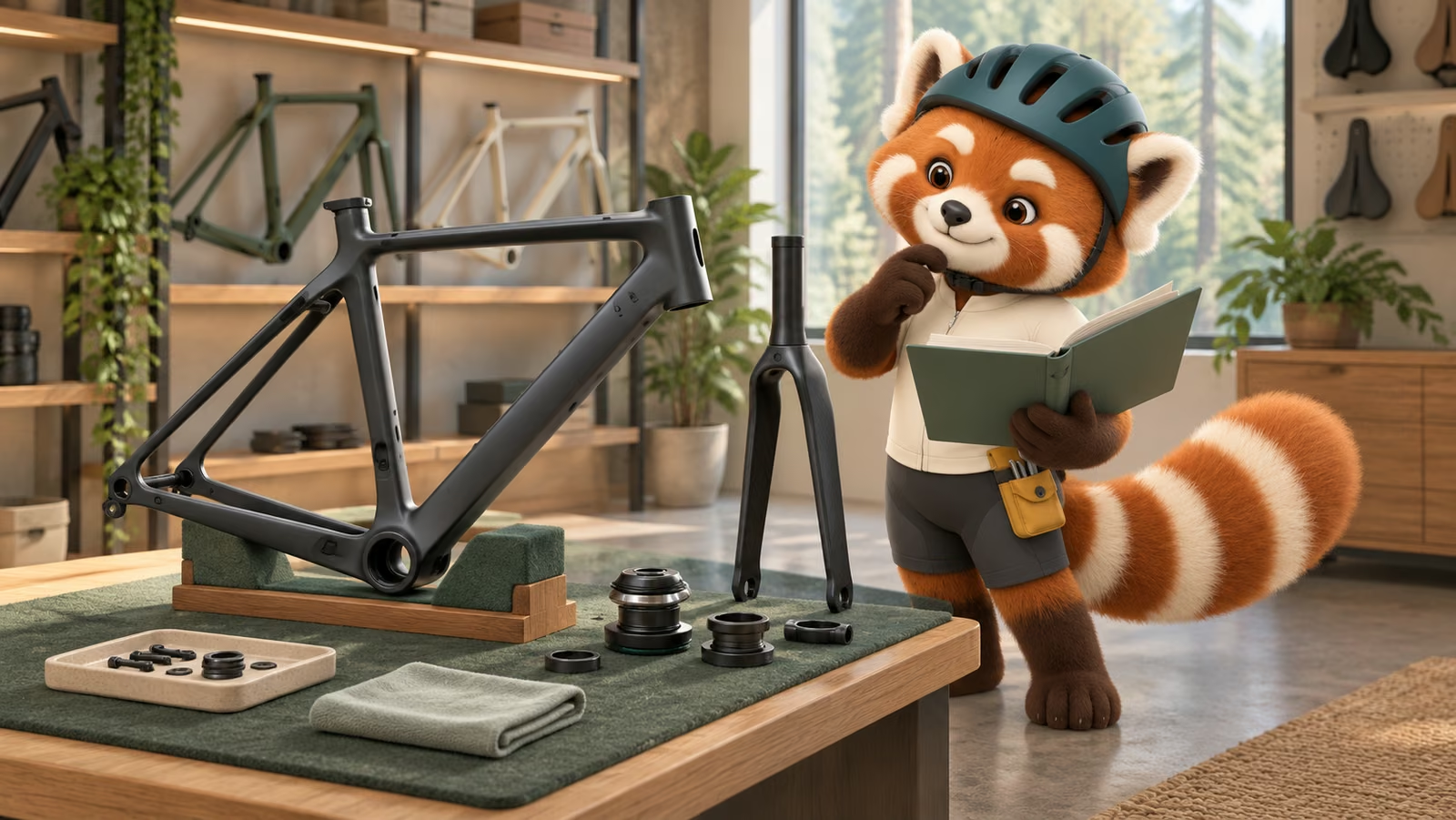
Identify the exact frame on the manufacturer’s site
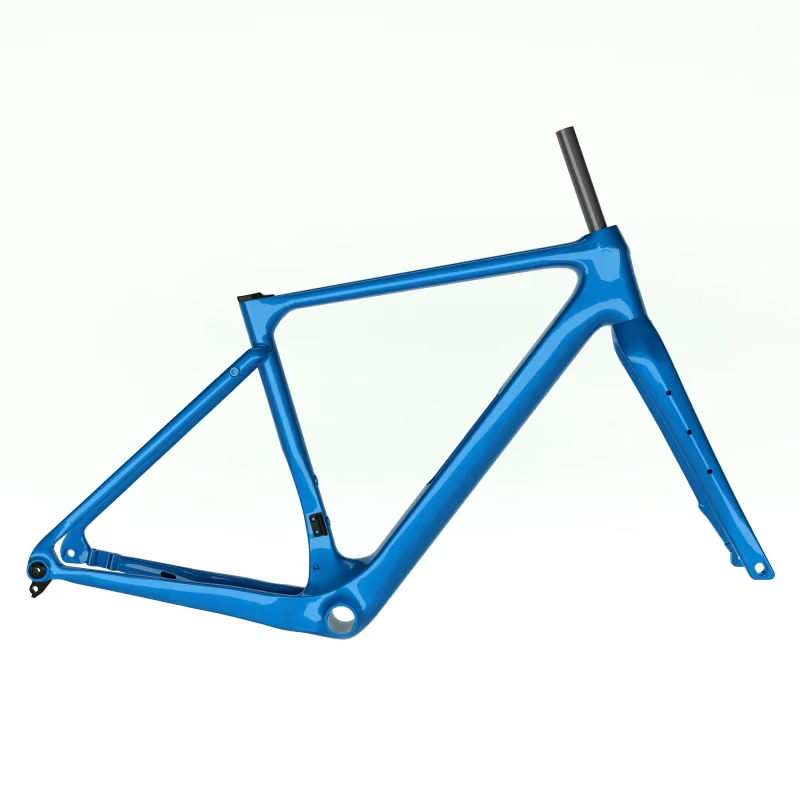
Begin at Dengfu’s manufacturer site and the exact R20 product page. The R20 page describes a customizable gravel frame but does not show a complete, destination-specific checkout. Use the site’s current contact route for a quote rather than a payment address from an old thread.
Send model and revision, size, finish, destination and intended cockpit. Request the current geometry, assembly information and all package contents. Have your assembler check the proposed interfaces; do not fill a missing R20 fact from another Dengfu frame.
Make substitutions opt-in
Ask separately whether the frame, cockpit, seatpost and frame-specific hardware are ready. If the desired cockpit is unavailable, choose among waiting, an approved alternative and cancellation under the seller’s terms. A 10 mm stem change is a fit decision, not a packing convenience.
Put this exact sentence on the confirmation: “Do not replace the frame revision, size, finish or cockpit dimensions without asking me first.” Then have the quoted parts checked together before paying.
- Available now: identify physical location and the complete ready-to-ship package.
- Needs production or paint: obtain a separate completion and dispatch estimate.
- Proposed substitution: compare fit and price, then approve or decline in writing.
Use a dated order report for the questions it raises
A December 2020 forum post says a German buyer ordered a Dengfu R12 from China while getting a different brand’s frame from a Spanish warehouse. It documents an old route, not delivery of today’s R20, an import charge or a present-day warranty result. The buyer described the other brand’s warehouse order as a preorder, not stock available at the time.
For R20, ask for the current seller’s invoice, dispatch plan and support terms. An appealing owner build of another model is inspiration; the exact quote will decide whether this project is workable.
Ask for one invoice that answers the whole order
Request separate prices for the frame package, selected finish, any extra parts, shipping and the seller’s handling of import charges. Ask when production begins, when dispatch is expected and how a delay will be communicated.
Consider a hypothetical reply: “R20 frame and fork, custom paint.” It still says nothing about the seatpost, headset pieces or axles. Mark each as included, separately priced or not supplied; do not turn an unmentioned part into a free inclusion because it appears in a photo. Compare delivered totals only after both quotes answer the same package list, using the order-substitution checklist to record any agreed changes.
Get the exact model’s warranty and damage-on-arrival process in writing, including the return destination and transport responsibility. Brand-level wording alone may leave important frame-specific details unresolved.
Have the final component list reviewed before paying, and compare the finished build cost with alternatives. The attraction of factory ordering is control over the project; clear specifications are what make that control real.
The spares-and-warranty guide separates paid parts from defect claims and return requests.
Sources
Source review began . Research methodology.