
Chain waxing or drip lube: calculate the upkeep before buying a kit
Choose chain care that you can repeat after the rides you actually do. Immersion wax can suit an organised maintenance routine; drip products can reduce the work of removing the chain. The useful buying question is what the exact system adds to your existing tools, time and consumables. A confident claim that waxing always pays for itself does not answer it.
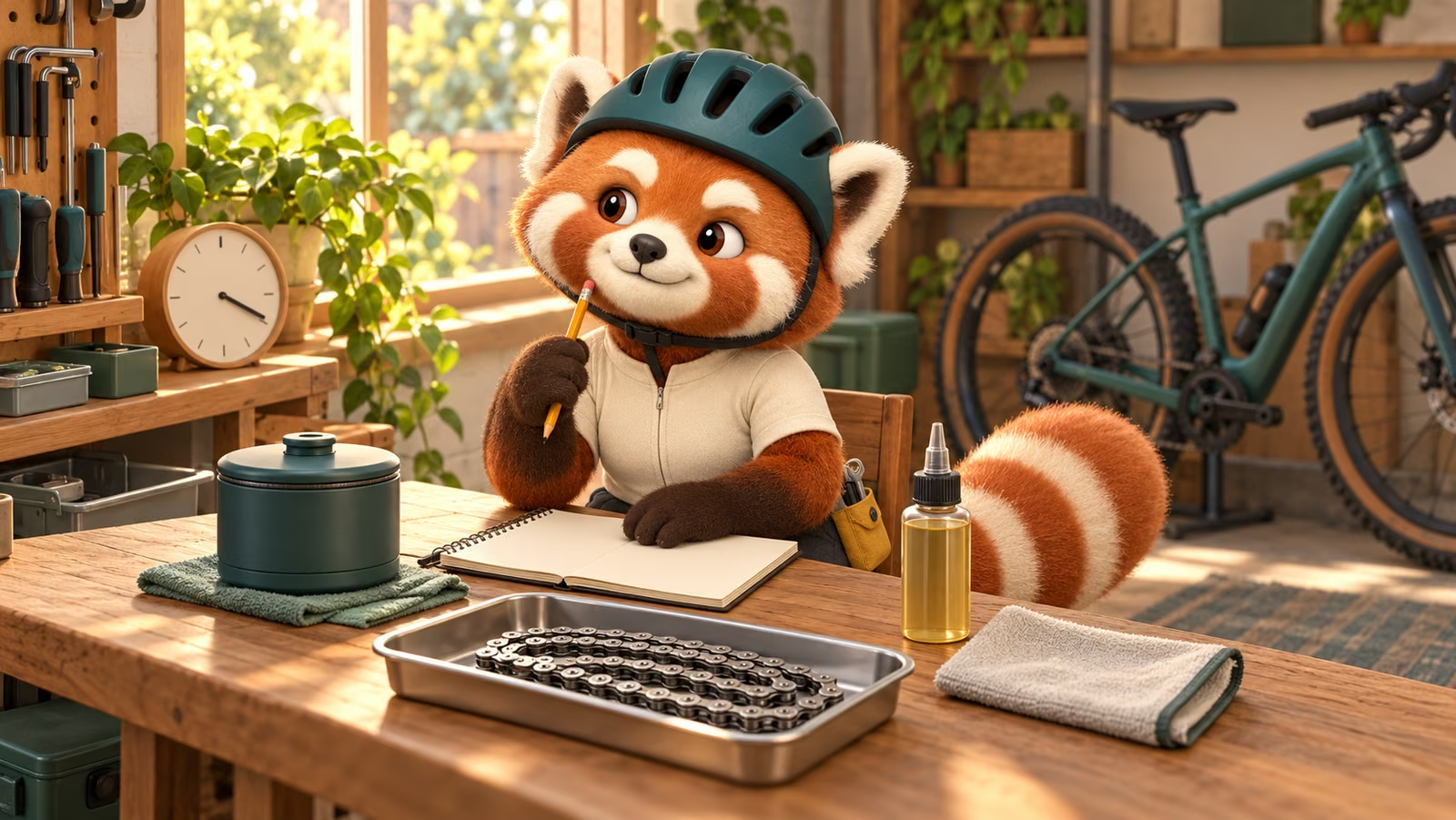
Separate three different routines
Immersion wax, drip-applied wax and oil-based drip lubricant are different systems. SILCA's chain-wax FAQ describes its drip wax both as a way to maintain an immersion-waxed chain and as a standalone product. A bottle labelled wax is therefore not automatically the same workflow as removing and dipping a chain.
Compare the exact product instructions for initial preparation, application, drying and later cleaning. SILCA sells wax and makes performance and lifespan claims for its products. We use its instructions to understand that system, not as independent proof that every rider will save money or achieve its claimed chain life.
Count everything needed to make the first application
Start with what you already own and list the remaining purchases: approved preparation supplies, the chosen application equipment, consumables and compatible chain tools. Add a spare chain only if that is part of your plan. Include replacement joining links where the exact chain maker requires them.
Keep optional extras separate. A spare chain may make rotation convenient, but its purchase still uses the budget. An existing tool can have no new cash cost; an unpriced item cannot. If a shop will prepare the chain, compare its written quote with your complete home setup rather than only the wax bag or bottle.
Calculate a payback only from a positive saving
Use: extra setup cost ÷ actual saving per month. If the recurring cost difference is zero or negative, there is no financial break-even on that basis. If the difference is unknown, leave the payback unknown instead of filling it with an advertised chain-life figure.
For a conditional example, €40 of extra setup cost and a genuinely observed €2 monthly saving take 20 months to recover. If the new routine also takes an extra 10 minutes each month, that period includes 200 minutes, or 3 hours 20 minutes, of additional work. These are illustrative inputs, not product prices, measured savings or a forecast. Keep the time visible without pretending everybody values it at the same hourly rate.
The chain-wear guide explains measurement-based replacement. A chain lasting longer in someone else's test does not let you skip your own checks or turn an expensive cassette into guaranteed future savings.
Budget for the ride that disrupts the routine
Look at your wettest regular ride, the space where you can work and the time before the next departure. SILCA's maintenance guidance gives product-specific reapplication and drying requirements. Those instructions show why a top-up immediately before leaving may not fit every product; follow the current instructions for the one you use.
An attractive clean-road interval is not a universal schedule for mud, rain or storage. Ask what the maker requires after those conditions and price the supplies or spare-chain plan needed to follow it. Avoid buying a routine that depends on workshop space or waiting time you do not have.
Try the routine before buying its full equipment list
Compare one complete application-and-maintenance cycle with your current system. Record what you bought, preparation and hands-on time, drying or waiting time, weather and the chain's measured wear over time. A short trial can show whether the routine suits you; it cannot establish long-term component life.
Choose the system whose practical benefits you value and whose repeat work you can sustain. Keep maker performance claims, your own observations and the arithmetic in separate columns. That leaves room to enjoy a clean drivetrain without asking a new pot of wax to become an investment guarantee.
Sources
Source review began . Research methodology.